
What's the difference between MMA and boxing?
Are you interested in combat sports but not really sure what separates MMA from boxing? You're not alone. From the outside, you see two fighters face-to-face, gloves, punches — and confusion sets in. However, the difference between MMA and boxing is enormous: rules, allowed techniques, attire, physical preparation, mindset. These are two disciplines that share a common DNA — that of combat — but are practiced in radically different ways. Whether you're torn between the two or simply want to understand what you're watching when you catch an UFC gala or a boxing match, this guide gives you all the keys to clarify things.
Boxing: A Stand-Up and Codified Combat Sport
English boxing is the art of striking with your fists — and only your fists. No kicks, no elbows, no throws. Everything takes place standing, in a ring, with strict rules governing each round.
It's precisely this restriction that makes boxing so technically rich. When you only have two weapons, you learn to master them in depth: jab, cross, hook, uppercut, feints, lateral movements, distance management. The boxing ring becomes a chessboard where every step counts.
Boxing develops a sense of timing and an understanding of the opponent that few other martial arts achieve at this level. That's why a good boxer remains formidable even in an MMA context — their precision and footwork pose problems for anyone.
MMA: Where All Combat Styles Meet
MMA — short for mixed martial arts — is the opposite of specialization. Here, almost anything is allowed: stand-up strikes (fists, feet, elbows, knees), throws, ground fighting, submissions. An MMA fighter must know how to box, wrestle, and master grappling to be competitive.
Fights take place in an octagon (the cage) and not in a ring. This detail changes everything: no ropes to lean on or trap the opponent, an enclosed space that prevents escape, and the possibility of taking the fight to the ground at any moment.
It's this versatility that makes MMA so unpredictable. A round can start with a stand-up exchange of punches and end with a ground choke thirty seconds later. The UFC octagon has popularized this discipline worldwide, but MMA is also practiced in clubs, accessible to all levels.
Rules, Attire, and Equipment — What Changes Everything
Beyond techniques, the MMA boxing difference is also seen in the equipment and attire worn by fighters.
In English boxing:
- Padded gloves (10 to 16 oz depending on context)
- Loose boxing shorts
- High-top shoes for footwork
- Mouthguard and groin protector mandatory
- Combat only standing — the referee separates during prolonged clinches
In MMA:
- Lighter, open-fingered gloves (4 oz in competition) that allow for grappling
- Short, fitted board-short style shorts, designed not to hinder ground movements
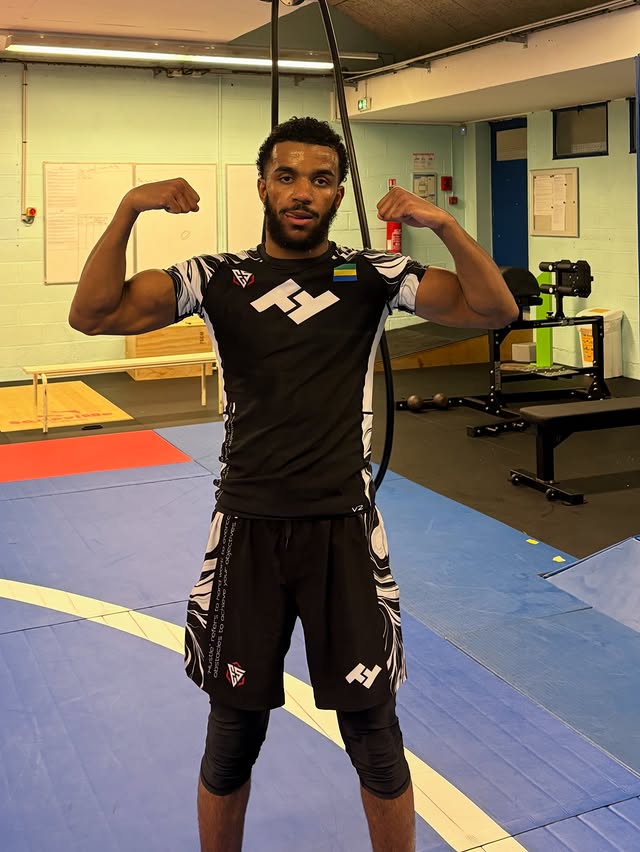
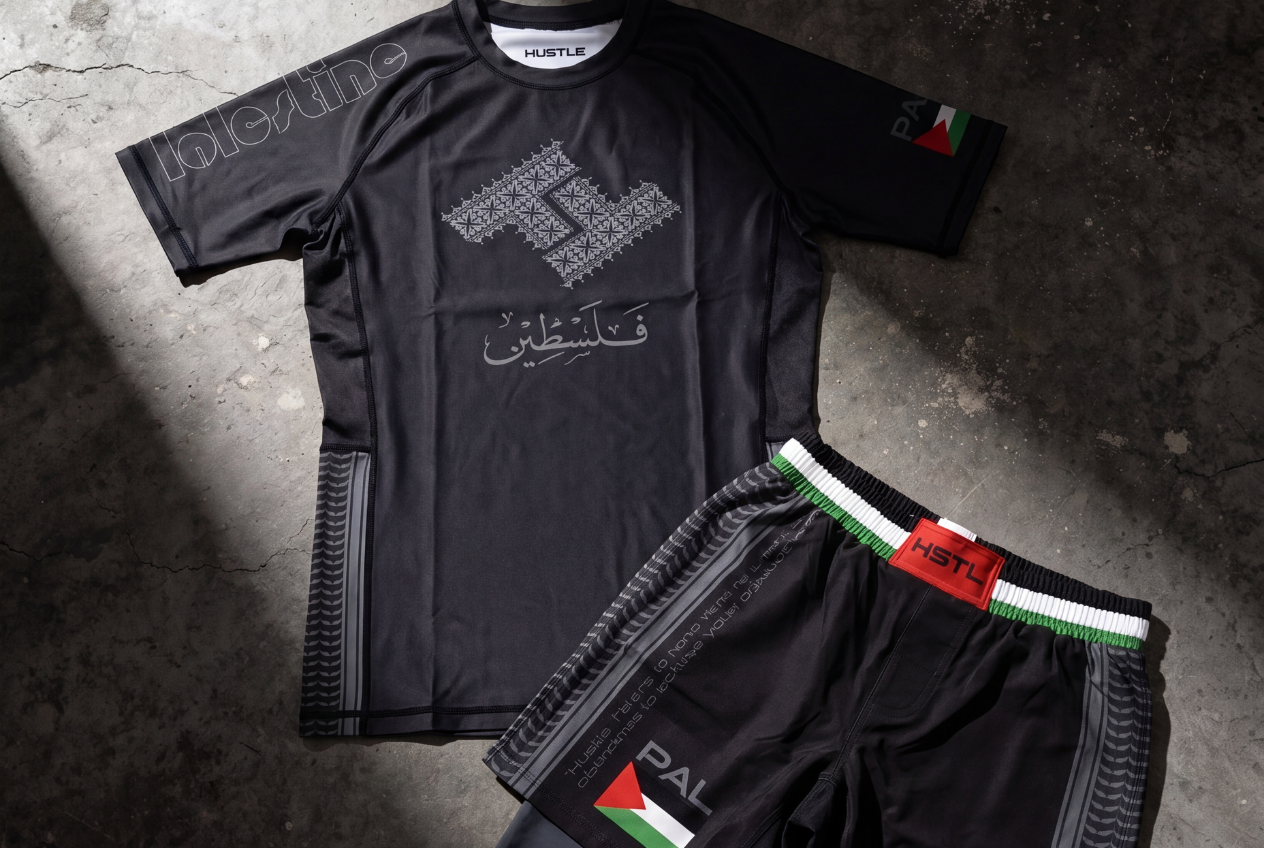
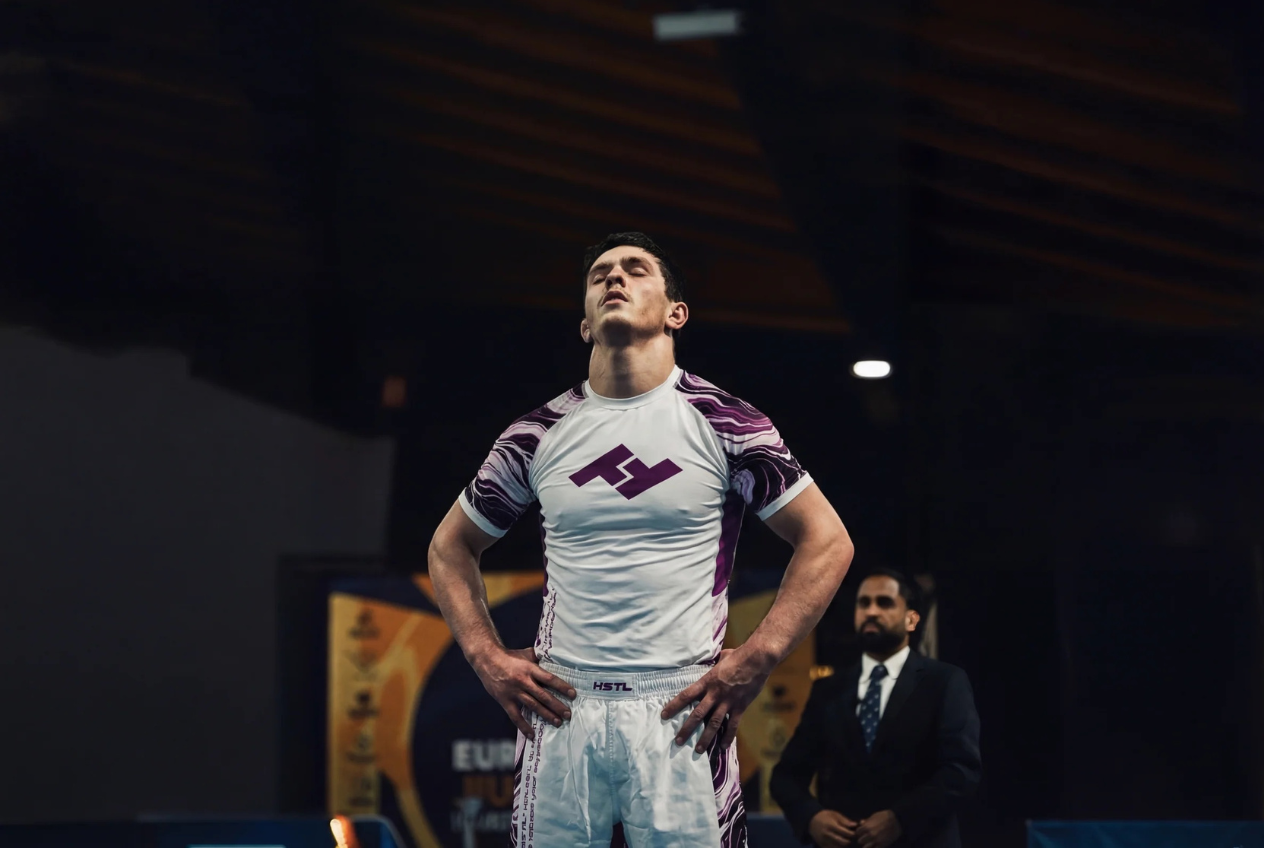
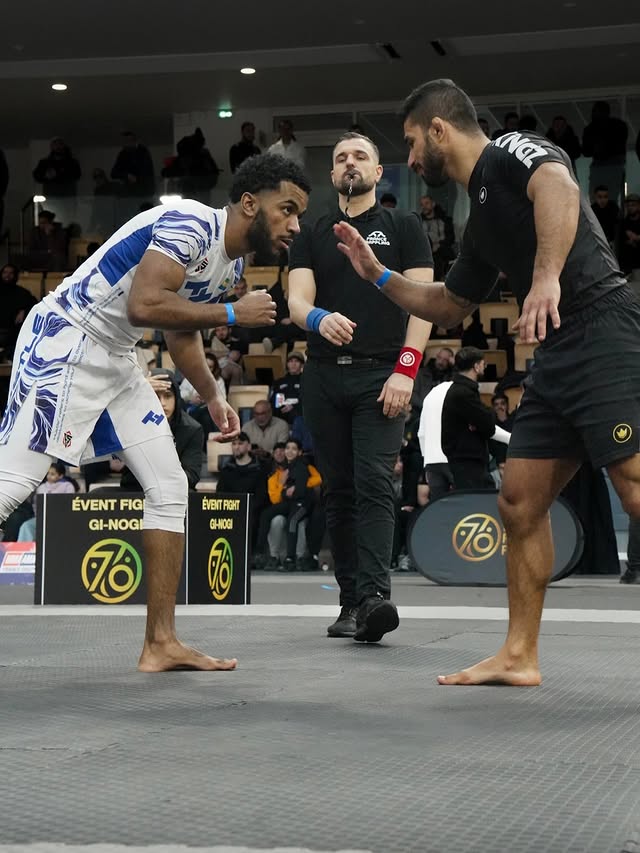
- Rashguard during training to protect the skin from friction and infections — essential for grappling and sparring
- Barefoot — no shoes in the cage
- Mouthguard, groin protector, and sometimes shin guards during training
The MMA attire is designed for versatility: it must withstand stand-up strikes as well as ground transitions without tearing or hindering mobility. That's why Hustle Fightwear MMA shorts are cut with a mobility slit and abrasion-resistant fabric — every detail counts when you go from striking to ground game in a second.
MMA vs. Boxing: Which to Choose for Beginners?
If you're new to combat sports, the choice depends mainly on what appeals to you.
Choose boxing if you want to focus on a single discipline, quickly improve your striking technique, and appreciate a highly structured environment. English boxing is an excellent entry point — it develops cardio, coordination, and self-confidence. Many gyms offer classes accessible from day one.
Choose MMA if you're curious about everything, if the idea of mixing styles excites you, or if you want a complete physical preparation. MMA engages the entire body: endurance, strength, flexibility, explosiveness. You'll dabble in boxing, grappling, wrestling, BJJ — it's a total combat sport.
In both cases, no prior experience is necessary. Serious clubs welcome beginners with adapted classes. And you don't need to want to compete to sign up — the majority of practitioners never compete.
What MMA and Boxing Have in Common
Despite their differences, these two combat sports share identical values: discipline, respect for the opponent, pushing oneself beyond limits. Both require regular training, a healthy lifestyle, and the ability to manage stress.
Technically, boxing is an integral part of MMA. Every MMA fighter spends time working on their boxing — it's the foundation of striking. The fundamentals (guard, distance, timing, combinations) are the same.
And in both cases, training involves sparring — controlled rounds against a partner, essential for progress. Whether you're in a boxing gym or an MMA club, everything is built on the mat. A good compression rashguard quickly becomes indispensable as contact intensifies, both to protect your skin and to maintain comfort during ground exchanges.
Frequently Asked Questions
Is MMA more dangerous than boxing?
Not necessarily. Studies show that boxing generates more long-term concussions, as fighters absorb more head blows per fight. In MMA, submissions can end a fight without an accumulation of strikes. Both sports carry risks, but modern rules and medical supervision significantly reduce them.
Can you do MMA without having boxed?
Yes, absolutely. MMA is a mix of disciplines — you learn boxing, grappling, and wrestling simultaneously directly in classes. Many practitioners discover boxing when they start MMA. No technical prerequisites are required to begin.
What attire is needed to start MMA?
For your first classes, short shorts without pockets or zippers, a long-sleeved rashguard (which protects against ground friction), and a mouthguard are sufficient. As you progress, you'll add MMA gloves, shin guards, and a groin protector. The essentials: fitted, durable clothing that doesn't hinder mobility.
Ready to get started? Whether you choose boxing or MMA, getting the right gear from the start makes a difference. Discover our MMA shorts and rashguards designed by competitors, tested in training and competition.