

MMA meaning: What does MMA stand for? (Mixed Martial Arts explained)
MMA is everywhere. On social media, in gyms, in the media. Yet, many people watch fights without really knowing what the acronym means—or what distinguishes this discipline from other combat sports. If you're wondering about the meaning of MMA, you've come to the right place. Behind these three letters lies a complete, demanding sport that has been rapidly expanding in France since its legalization in 2020. In this article, we'll break down the term, trace the history of the discipline, and give you everything you need to know if you want to understand—or get started.
MMA: Mixed Martial Arts—what does this acronym mean?
MMA stands for Mixed Martial Arts. The concept is in the name: it is a combat sport that mixes techniques from several martial disciplines within a single confrontation.
Concretely, an MMA fighter can strike standing (punches, kicks, elbows, knees), take their opponent to the ground, and seek submission through chokes or joint locks. Unlike boxing or judo, where rules limit techniques to a single register, MMA allows almost all the weapons of the human body.
The term "Mixed Martial Arts" emerged in the 1990s to replace cruder names like "free combat" or "vale tudo"—a Brazilian term that literally means "anything goes." The idea was to give the discipline a more structured identity, with clear rules and a recognized sporting framework.
The history of MMA: from its origins to a global phenomenon
The idea of confronting different fighting styles is nothing new. In ancient Greece, pankration already combined wrestling and striking in the Olympic Games. In Brazil, as early as the 1920s, the Gracie family organized open challenges to prove the effectiveness of Brazilian Jiu-Jitsu against other martial arts.
The modern turning point came in 1993 with the creation of the UFC (Ultimate Fighting Championship) in the United States. The initial concept: to pit specialists from different disciplines—boxer against wrestler, karateka against jiu-jitsuka—to determine which style was most effective. The first events were loosely regulated, but success pushed the organization to structure the sport with weight classes, timed rounds, and unified rules.
Today, MMA is one of the fastest-growing combat sports in the world. The UFC generates audiences comparable to the biggest boxing events, and organizations like Bellator, PFL, and ONE Championship contribute to the spread of the discipline across all continents.
Disciplines that make up MMA
A complete MMA practitioner must master at least three technical areas. This is what makes this sport so demanding—and so rich.
- Striking (stand-up combat): borrowed from English boxing, Muay Thai, and kickboxing. Punches, kicks, knees, elbows. Distance and timing are fundamental.
- Wrestling and takedowns: inherited from wrestling and judo. Knowing how to take an opponent to the ground—or prevent it—often makes the difference in a fight.
- Grappling and submissions: derived from Brazilian Jiu-Jitsu and sambo. Ground fighting represents a massive part of MMA—chokes, armlocks, positional control.
- Transitions: this is what truly distinguishes MMA. Moving from striking to clinch, from clinch to takedown, from takedown to ground control. The practitioner must be fluid between each phase of combat.
The best fighters are not necessarily the strongest in a single discipline. They are those who know how to link the phases together, exploit the opponent's weaknesses, and impose the fight in the area that benefits them.
MMA in France: where are we today?
France was long the last major European country to ban MMA competition on its territory. The discipline was perceived as violent and unregulated—an image inherited from the first events of the 1990s that no longer reflected the reality of modern sport.
The turning point occurred in January 2020, when the French Boxing Federation officially recognized and regulated MMA. Since then, competitions have multiplied, clubs have become structured, and the number of practitioners has exploded. France is also one of the UFC's most active markets in Europe, with sold-out events in Paris.
For practitioners, this legalization changed the game. Access to clubs is easier, coaches are qualified, and the competitive path is now clearly defined. MMA in France is no longer an underground sport—it is a full-fledged, recognized, and booming combat sport.
Starting MMA: what you need to know
If you want to get started, you don't need to have a fighting background. The vast majority of people who walk through the doors of an MMA club have no combat sports experience. Beginner classes are designed to teach the basics gradually: guard, footwork, basic strikes, falls, ground positions.
Physically, MMA will challenge everything. Cardio, strength, flexibility, explosiveness, muscular endurance. It's one of the most comprehensive physical preparations there is—even if you never plan to step into a cage.
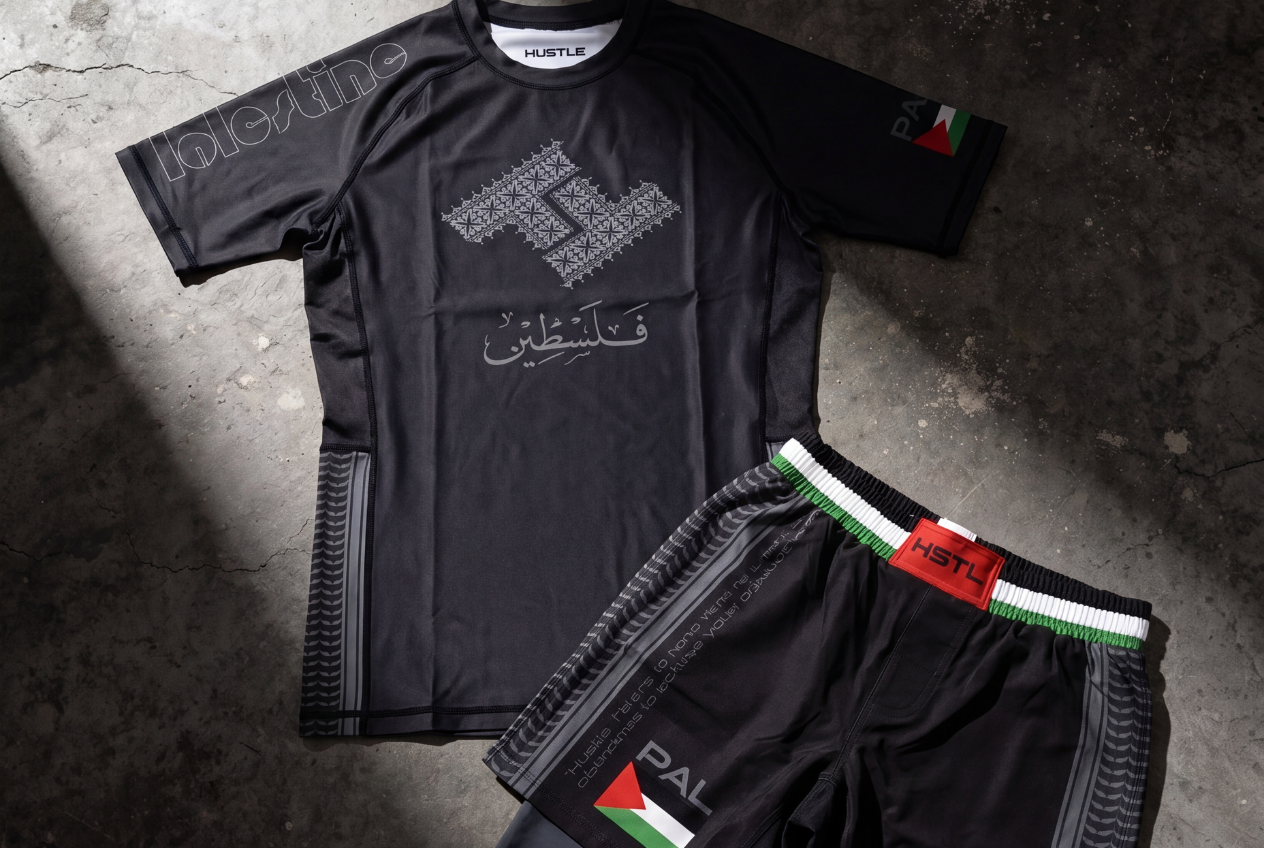
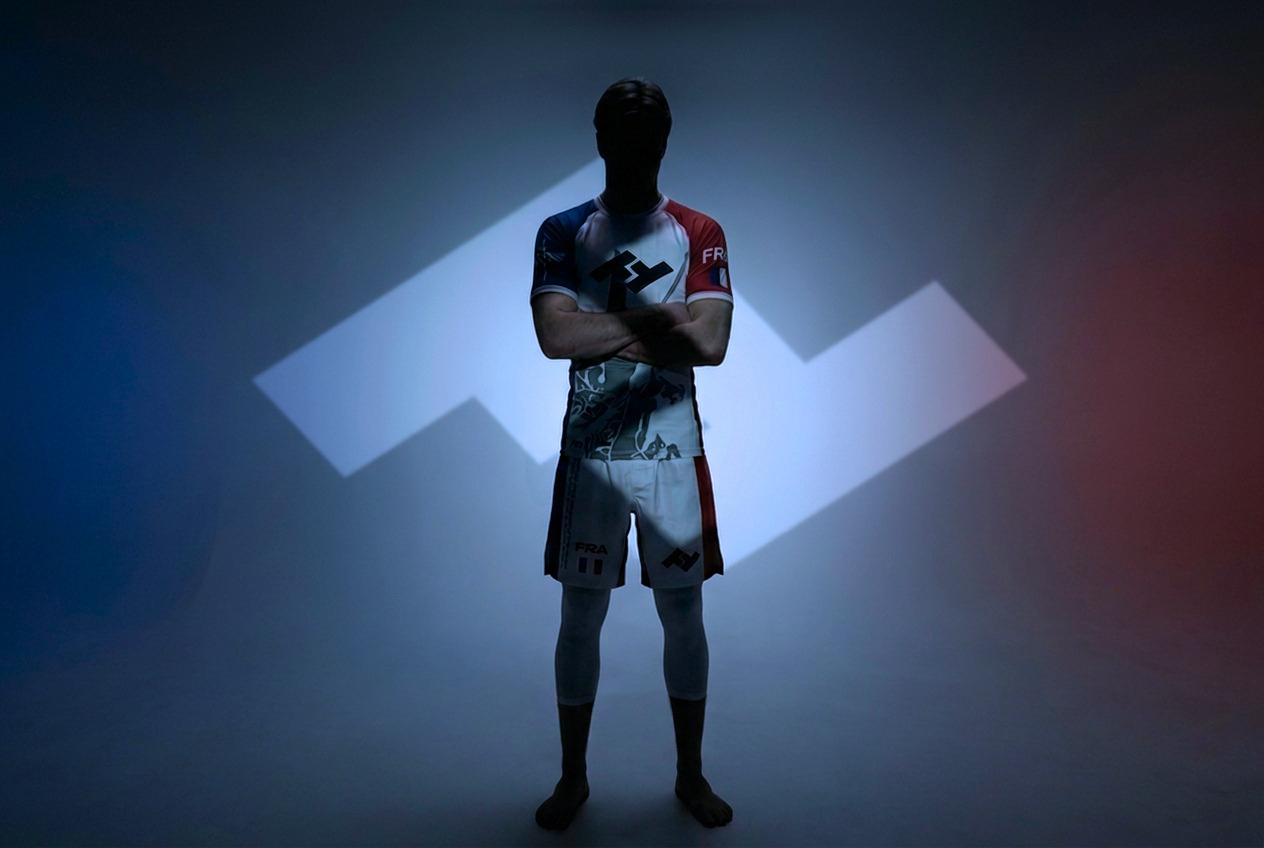
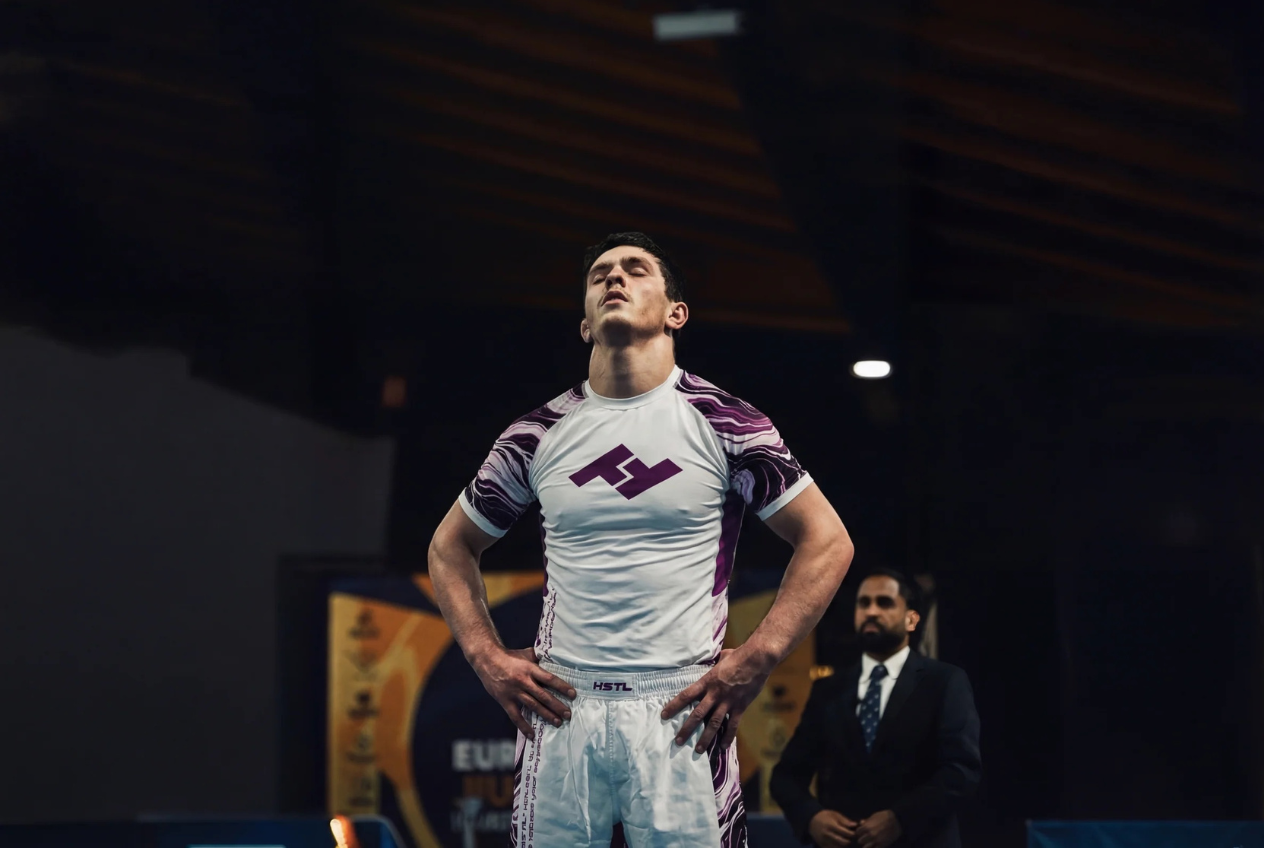
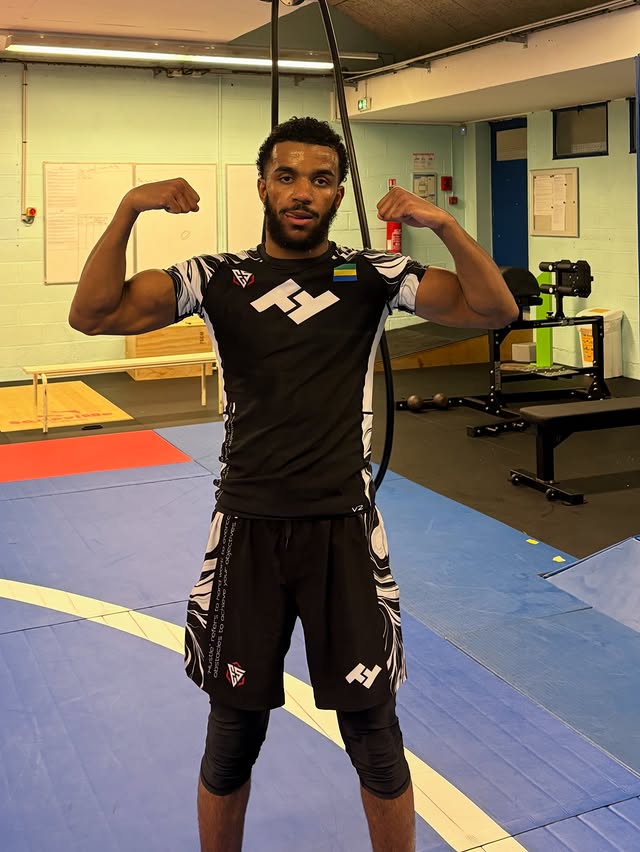
For fighting gear, the minimum to start consists of fitted MMA shorts with no pockets or zippers (which snag and cause injury on the ground), a long-sleeved rashguard to protect the skin during grappling and sparring, and a mouthguard. As you progress, you'll add MMA gloves, shin guards, and a cup.
The most useful tip: try at least one trial class before deciding. The atmosphere in MMA clubs is often more welcoming than people imagine.
Frequently Asked Questions
What is the difference between MMA and traditional martial arts?
Traditional martial arts (karate, judo, taekwondo) focus on a single technical register with strict rules specific to each discipline. MMA combines techniques from several martial arts in a single fight—standing strikes, takedowns, and ground submissions. It is a synthetic sport, not an isolated discipline.
Is MMA an Olympic sport?
No, not yet. Discussions are underway at the international level, and the discipline gains legitimacy every year. MMA is recognized by GAISF (Global Association of International Sports Federations), which is a step towards potential Olympic integration. But no date has been announced to date.
What equipment do you need for MMA?
To start: MMA shorts without pockets, a rashguard (preferably long-sleeved), and a mouthguard. For sparring, you'll need MMA gloves, shin guards, and a cup. Some clubs lend equipment for the first few classes—ask before buying everything.
Want to equip yourself for your first MMA classes? Discover our MMA shorts and our rashguards designed for training and sparring—cut designed for combat, fabric that withstands sessions.
Read more
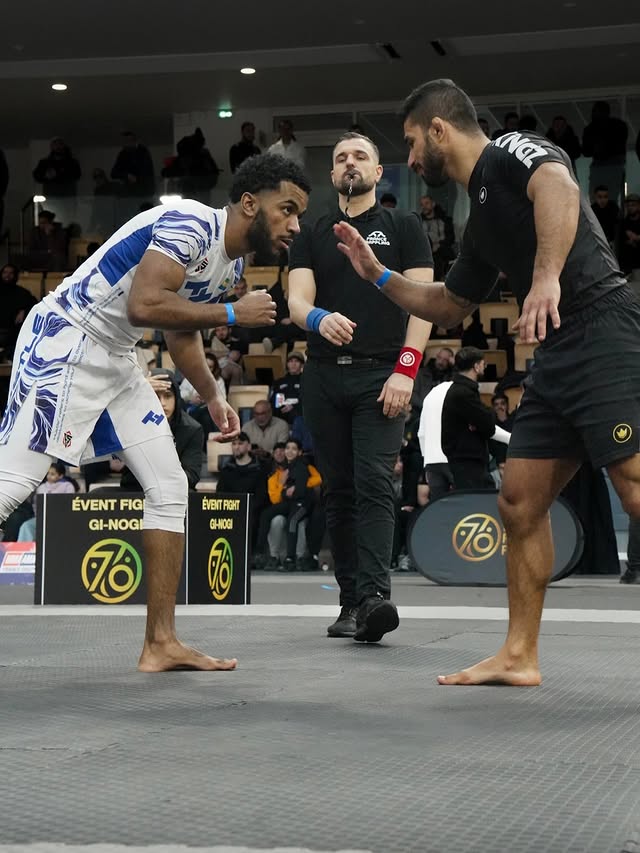
MMA or boxing — two combat sports, two radically different worlds. Rules, techniques, attire, mindset: here's everything that truly sets them apart.
BJJ, Brazilian Jiu-Jitsu: a sport where 65 kg dominates 90 kg through pure technique. Origins, principles, gi vs no-gi, how to start in France — it's all here.