


What is BJJ? Brazilian Jiu-Jitsu explained simply
BJJ is everywhere. In gyms, on Instagram, in conversations between friends looking for a new combat sport. In just a few years, Brazilian Jiu-Jitsu has gone from a niche discipline to one of the most practiced martial arts in France. And it's no accident: it's one of the rare sports where a 65 kg individual can control someone weighing 90 kg purely through technique. Whether you're curious, hesitant to step into a gym, or simply want to understand what "BJJ" means, this guide will provide you with all the keys—from its origins to your first steps on the mat.
BJJ: Definition and Origins of Brazilian Jiu-Jitsu
Brazilian Jiu-Jitsu is a ground combat sport focused on opponent control and submission techniques—chokes, joint locks, and compressions. The goal is not to strike, but to force the opponent to tap out with a technical hold.
Its roots trace back to the early 20th century when Mitsuyo Maeda, a Japanese judoka and wrestler, immigrated to Brazil and taught his art to the Gracie family. Carlos and Hélio Gracie adapted these techniques to prioritize ground fighting and the ability of a smaller fighter to neutralize a larger opponent. BJJ as we know it today was born from this adaptation.
In the 1990s, Royce Gracie proved the effectiveness of BJJ by dominating the first UFC tournaments against heavier opponents specializing in other disciplines. This was the moment the world took Brazilian Jiu-Jitsu seriously—and when grappling became part of modern MMA's DNA.
How Does BJJ Work? Basic Principles
BJJ is based on a simple logic: take the fight to the ground, move into a dominant position, and finish with a submission. Each exchange is a sequence of controls, transitions, and finishing attempts.
Key positions structure the entire game. The guard (you're on your back but control the opponent with your legs), mount (you're sitting on the opponent), side control (lateral control), back take (you take the opponent's back). Each position offers specific attack and defense options.
What makes BJJ unique among combat sports is the importance of strategy. It's often called "human chess"—each move opens or closes options, every grip has an intention, every transition is planned several moves in advance. Brute strength is never enough against someone who masters their sequences.
BJJ Gi vs. No-Gi: What's the Difference?
Brazilian Jiu-Jitsu is practiced in two distinct formats, and this is a question every beginner asks.
In gi (with kimono): you wear a thick kimono (the "gi") consisting of a jacket, pants, and a belt. The fabric becomes a weapon—you can grab your opponent's collar, sleeves, or pants to control, choke, or unbalance them. The game is slower, more technical, and more tactical. This is the historical format of BJJ, the one used in IBJJF competitions and the BJJ belt system (white, blue, purple, brown, black).
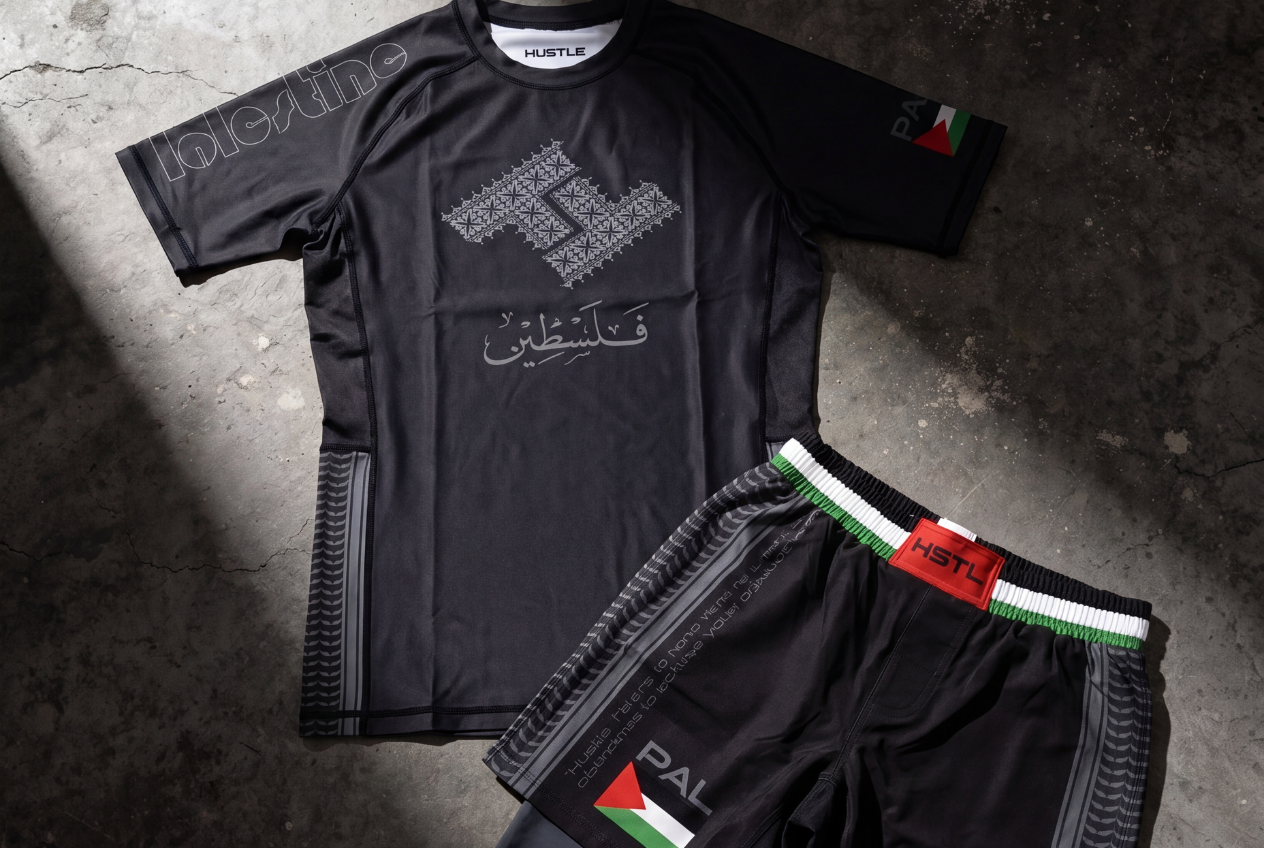
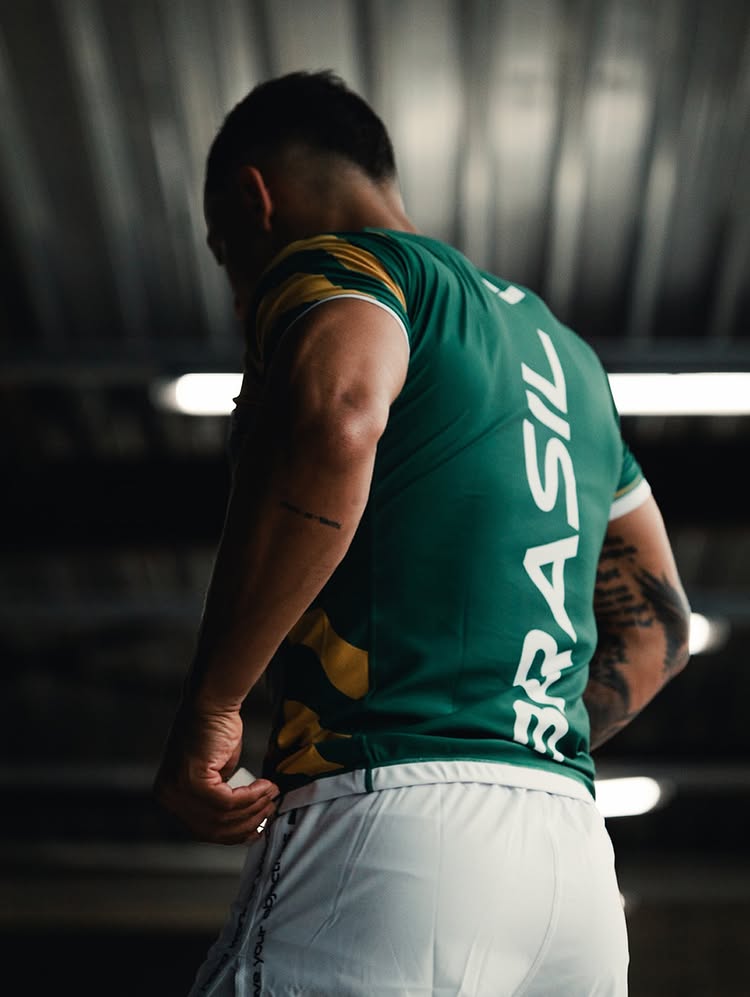
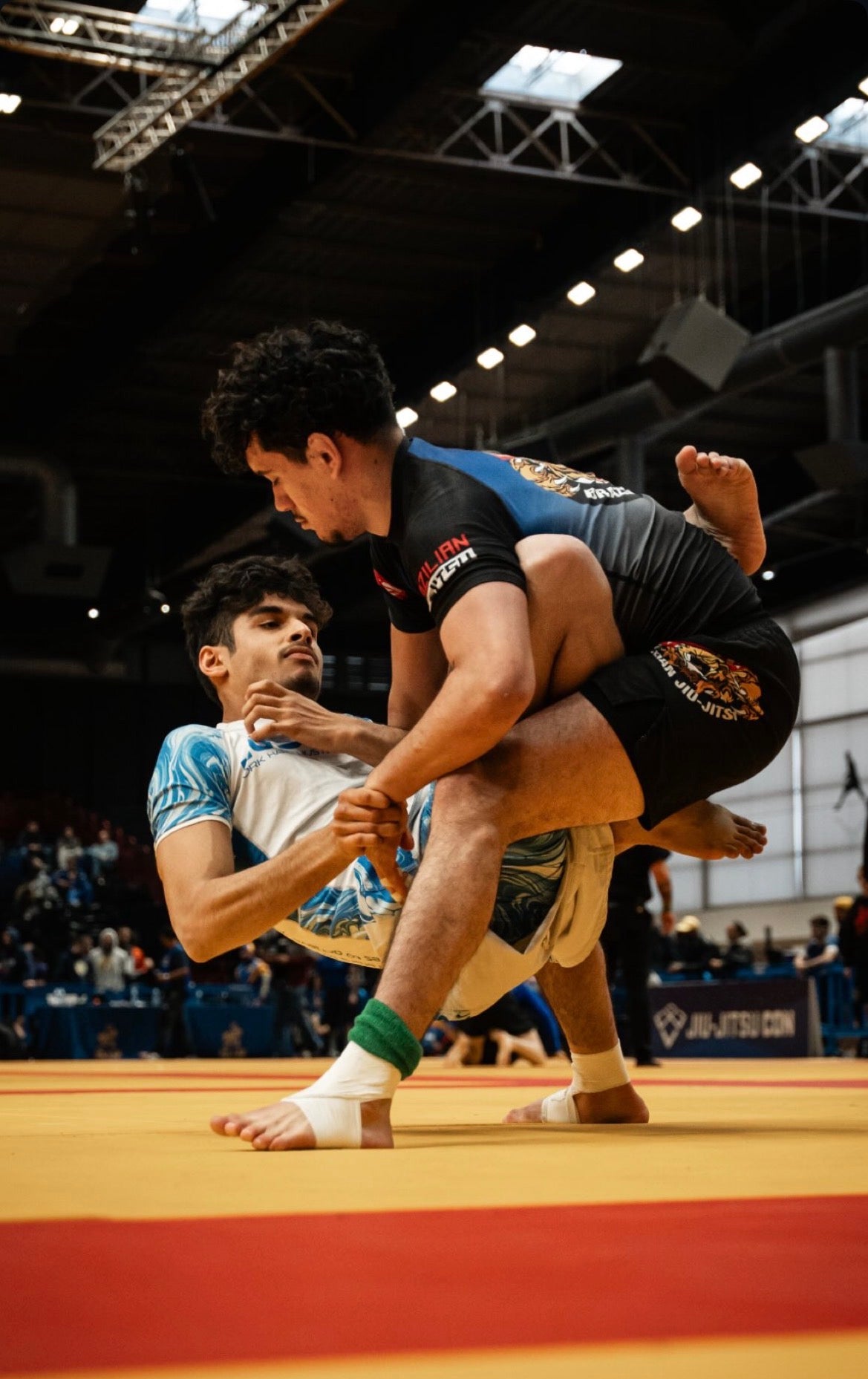
In no-gi (without kimono): you wear a rashguard and shorts or spats. There's no fabric to grip—the game is faster, slipperier, and more explosive. No-gi grappling is closer to MMA and attracts many practitioners from wrestling or those looking for a more dynamic style. No-gi grappling competitions like ADCC have become as prestigious as gi tournaments.
Many practitioners do both. The skills are complementary: gi develops technical precision, while no-gi develops speed and adaptation.
Benefits of Practicing Brazilian Jiu-Jitsu
BJJ goes far beyond being a combat sport. The benefits are felt in all aspects of daily life.
- Complete Physical Conditioning: Each sparring session challenges cardio, functional strength, flexibility, and muscle endurance. No need for an additional weight room—the mat is sufficient.
- Real-time Problem Solving: Each exchange requires reading the opponent, adapting, and making decisions under pressure. BJJ sharpens concentration and stress management like few other activities.
- Self-Confidence: Knowing you can defend yourself on the ground, understanding the mechanics of a human body, progressing belt by belt—this builds solid and lasting confidence.
- Community: BJJ creates strong bonds. Sparring is a relationship of trust—you entrust your body to a partner who respects the rules. The atmosphere in clubs is often like family, regardless of skill level.
- Accessibility: You don't need to be athletic or young to progress. Technique neutralizes physical differences—this is the very foundation of this discipline.
How to Start BJJ in France?
The French BJJ scene has exploded in recent years. You can find clubs in most medium and large cities, with trained coaches and structured classes by level. The French Judo Federation (which oversees BJJ in France) and independent federations organize regular BJJ competitions, from local to national championships.
As a competitor, what surprised me most when starting BJJ was how accessible the sport is. Your size or athletic level at the start doesn't matter—technique always takes precedence over strength. I've seen 60 kg practitioners dominate much heavier opponents simply by mastering their guard game over months.
For your first classes, here's what to expect: a specific warm-up, technical drills (repetition of movements), then light sparring adapted for beginners. Most clubs offer one or two free trial classes. Don't hesitate to try several to find the atmosphere and teaching style that suits you.
Essential Equipment for Starting BJJ
The advantage of BJJ is that the entry cost for equipment is low. For your first few weeks, you don't need much.
For gi: a BJJ kimono (not a judo kimono—the cut and fabric are different) and a white belt. Some clubs provide a trial kimono for the first classes.
For no-gi: a fitted BJJ rashguard (long sleeves are preferable—they protect against mat burns and skin infections) and grappling shorts or MMA shorts without pockets or zippers, which can snag fingers and cause injuries on the ground.
In all cases: a mouthguard if you spar, flip-flops for moving off the mat (mandatory hygiene), and a towel. The investment is minimal to start—the most important thing is to show up for the first class.
What Equipment Do You Need to Start BJJ?
For your first BJJ gi class, you need a kimono (gi) and a white belt. Most clubs lend a gi for the first classes. If you want to buy your own, expect to pay between €60 and €120 for a good quality gi.
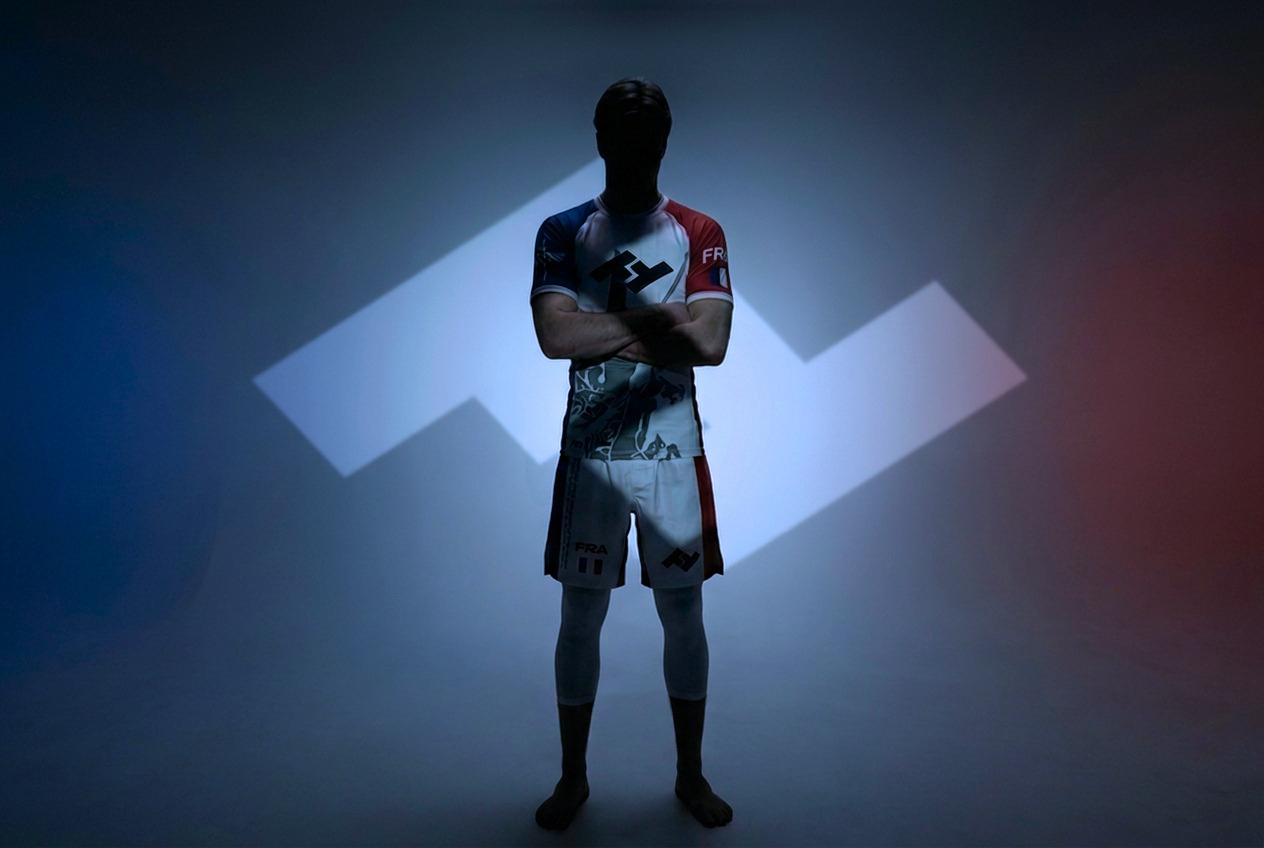
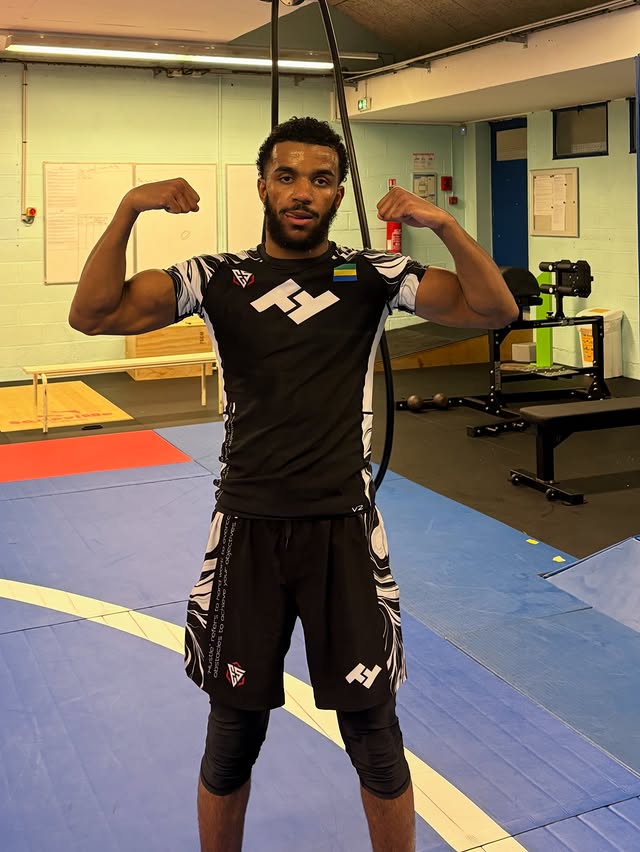
For no-gi (without a kimono), you need a rashguard and grappling shorts. This is the basic equipment for rolling no-gi. The Competitor V2 set from Hustle Fightwear is CFJJB and IBJJF approved—you can train and compete with the same equipment.
For a complete guide on choosing a rashguard, check out our complete guide to BJJ rashguards.
Beyond the rashguard, also consider a mouthguard (mandatory in many clubs) and mat shoes if your gym requires them.
Frequently Asked Questions
Is BJJ effective in real combat?
Yes. BJJ is one of the most effective disciplines in self-defense situations, particularly on the ground—where most real altercations end up. Royce Gracie proved this in the early UFCs, and that's why BJJ is part of the basic training for almost all professional MMA fighters. However, a complete self-defense system also includes striking skills.
At what age can you start BJJ?
As young as 4-5 years old for children's classes, and with no upper age limit. Many practitioners start after 30, 40, or even 50. BJJ adapts to each person's body and pace—the intensity of sparring is adjusted according to skill level and physical condition.
How long does it take to get a blue belt in BJJ?
On average, between 1.5 and 3 years of regular practice (3 to 4 training sessions per week). This depends on the club, the coach, your technical progression, and your participation in competitions. BJJ is known for having one of the most demanding graduation systems in martial arts—each belt is earned on the mat.
FAQ — Brazilian Jiu-Jitsu
Is BJJ a combat sport?
Yes, BJJ (Brazilian Jiu-Jitsu) is a ground combat sport that focuses on submissions: armlocks, chokes, and ground controls. Unlike boxing or MMA, there are no strikes.
What is the difference between BJJ and Judo?
Judo emphasizes stand-up throws, while BJJ focuses on ground fighting. In BJJ, the goal is to submit the opponent with a submission technique. Consult our article on the differences between judo and jiu-jitsu.
At what age can you start BJJ?
Most clubs accept children as young as 4-5 years old with adapted classes. There is no upper age limit—many practitioners start as adults, including after 40.
How long does it take to get a blue belt in BJJ?
On average, it takes between 1 and 3 years of regular practice (2-3 times a week) to obtain a blue belt. This depends on your involvement, your coach, and your technical progression.
Ready to hit the mats? Discover our BJJ rashguards and our shorts designed for grappling and sparring—technical cut, durable fabric, conceived by competitors to withstand daily training.
Read more
MMA, Mixed Martial Arts — what does this acronym really mean? History, disciplines, legalization in France: everything you need to know about the exploding combat sport.
udo, jujitsu, BJJ – three names, three disciplines, shared origins. This guide unravels it all: techniques, philosophy, competition, and how to choose according to your goals.