

The best shorts for no-gi BJJ
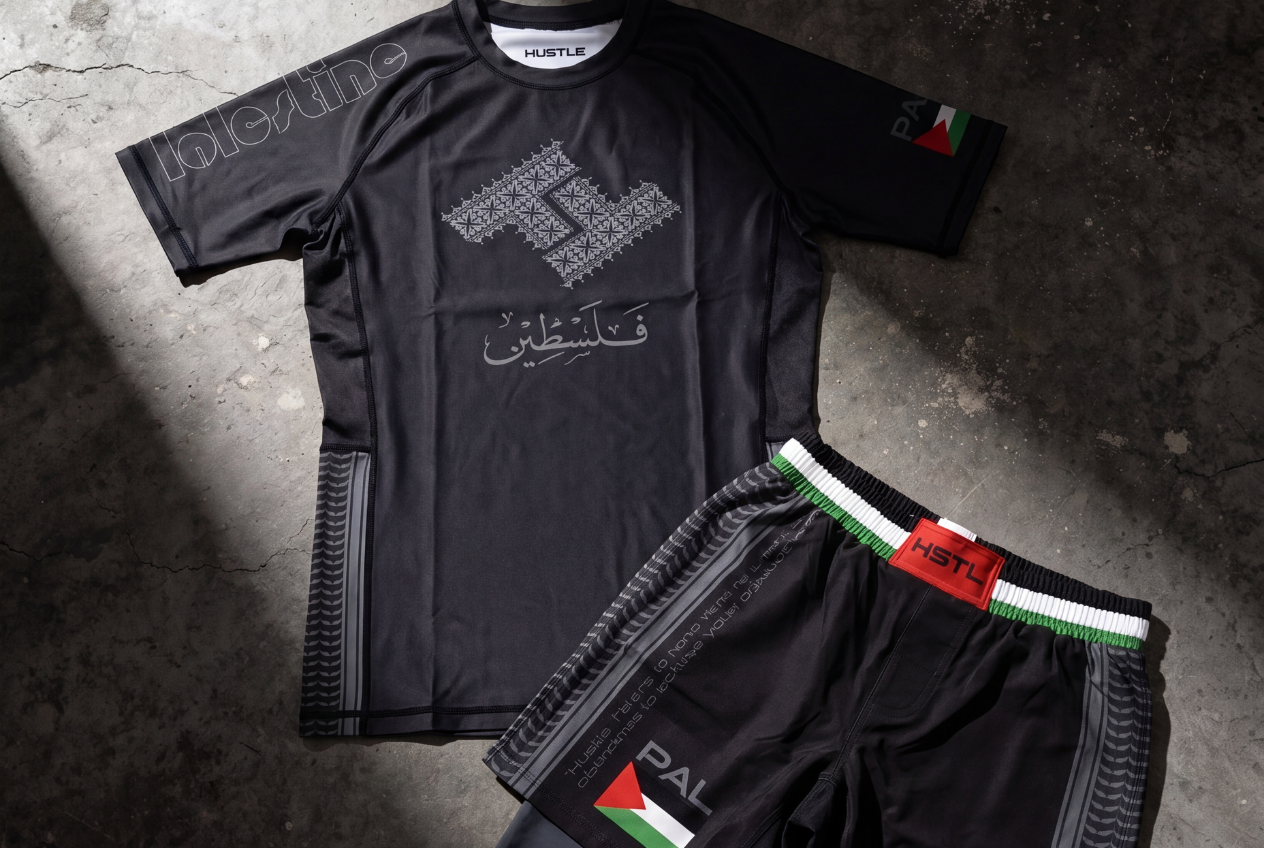
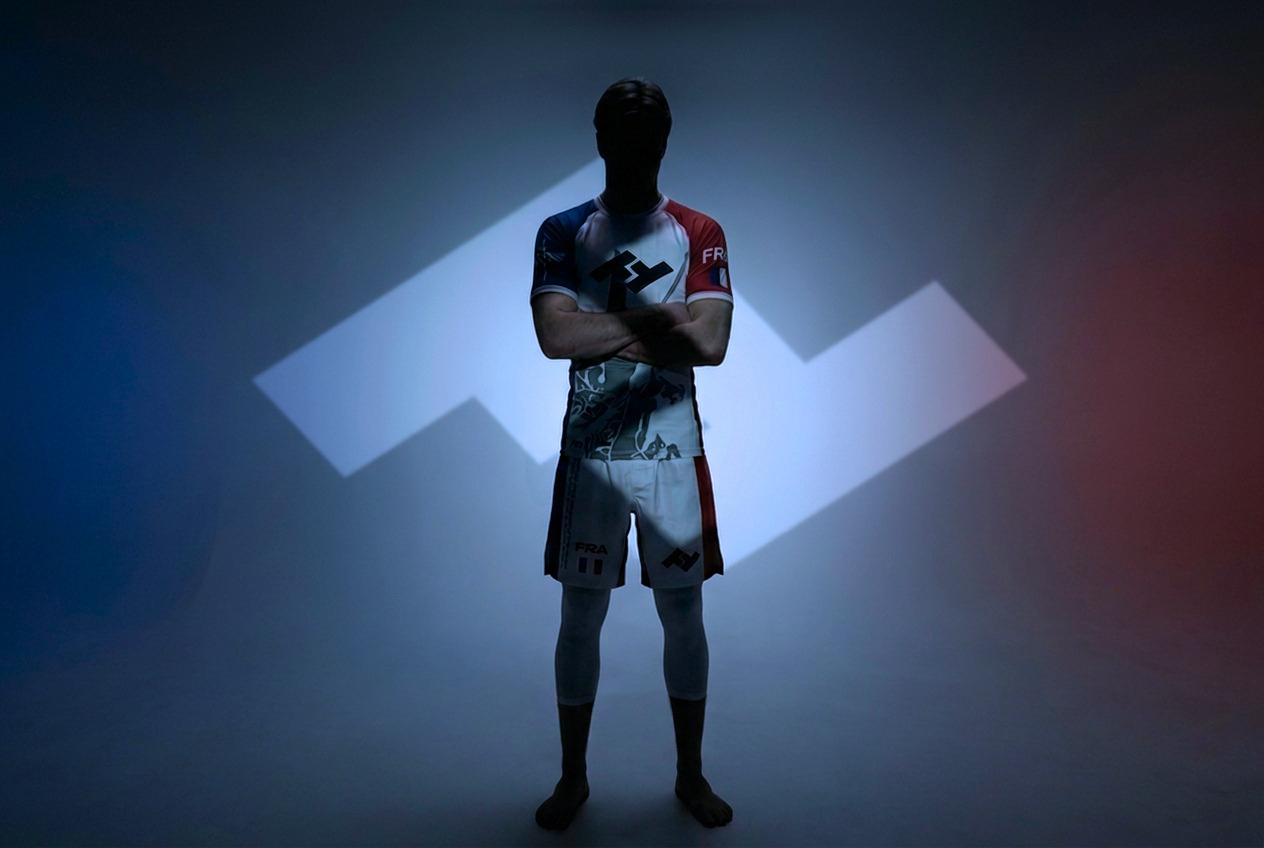
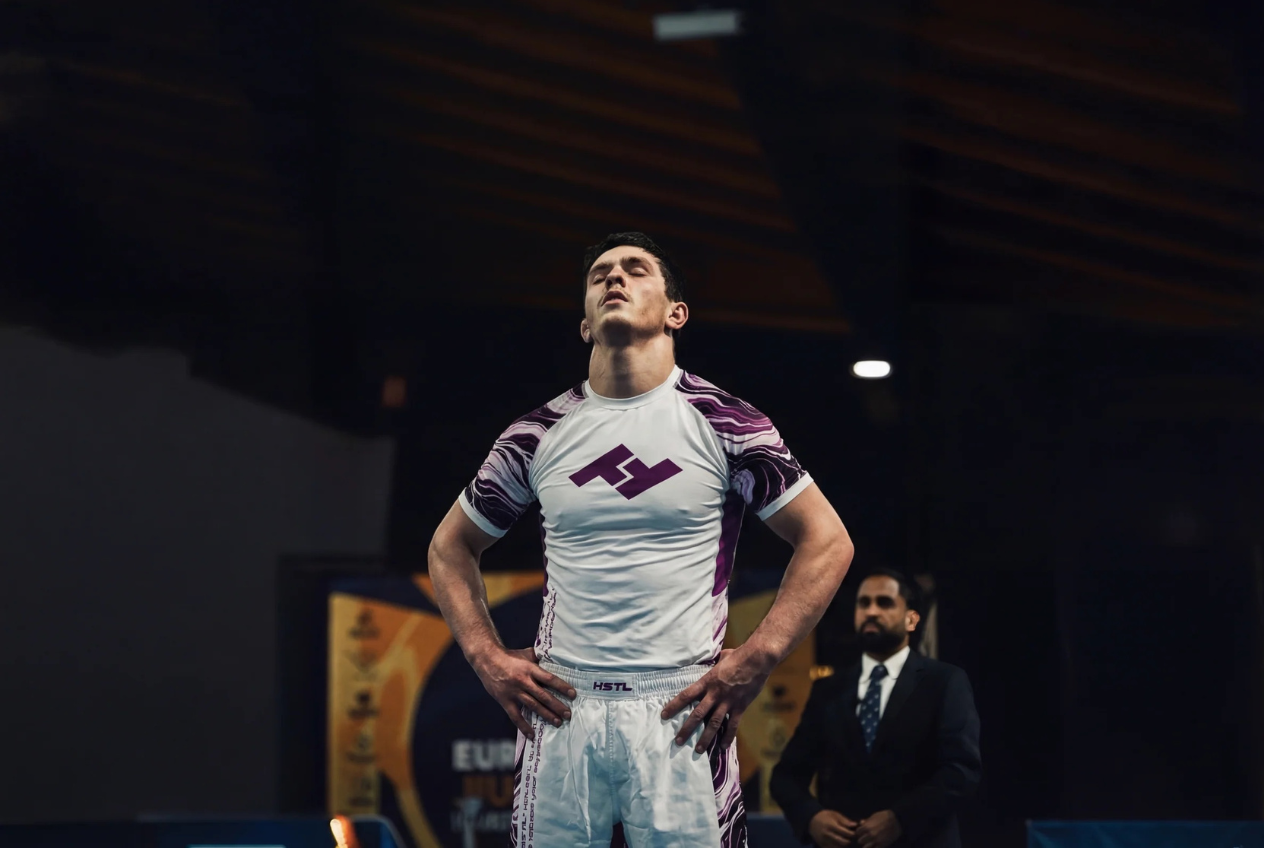
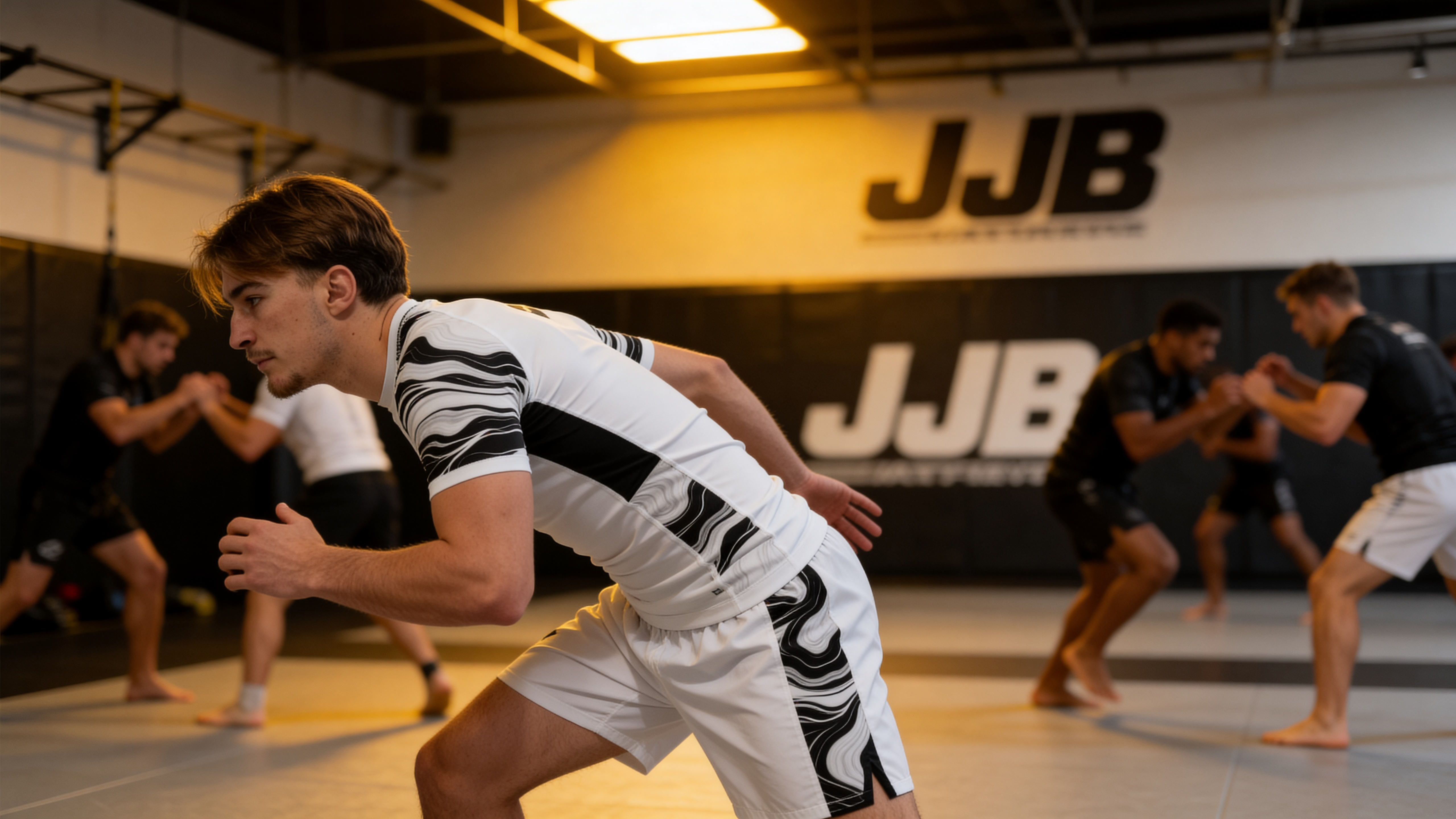
In no-gi BJJ, shorts are more than just sportswear: they are a technical piece that must withstand scrambles, guard passes, and the constant friction of the mat. Bad shorts can ruin a training session, or even a competition. At Hustle Fightwear, we design and test our shorts on the mat with active competitors. Here's our complete guide to choosing the best shorts for no-gi BJJ.
Why specific shorts for no-gi BJJ?
Unlike classic sports shorts, no-gi BJJ shorts are designed to withstand the specific constraints of grappling: fabric pulling, ground friction, abundant perspiration, and extreme range of motion (guard passes, triangles, berimbolo). Running or fitness shorts, in comparison, will tear after a few sessions.
No-gi BJJ shorts are also designed to meet the regulatory requirements of most federations (IBJJF, CFJJB, ADCC): no pockets, no metal zippers, no outward-facing Velcro. These rules prevent injuries for you and your partner.
Criteria for choosing good no-gi shorts
Good no-gi BJJ shorts are judged on several technical points. The first is the material. Prioritize a polyester + elastane blend (between 8 and 15% elastane) or technical ripstop. These fabrics dry quickly, resist stretching, and conform to movements without tearing.
The second criterion is the cut. Grappling shorts should be fitted at the waist (with a drawstring + elastic), but fluid around the thighs. Side slits are essential: they allow the hips and knees to move freely. If you're unsure about the size, we've prepared a dedicated guide: what size grappling shorts to choose.
Finally, check the seams. Reinforced seams (bartack) at stress points—crotch, waistband, side slits—are a sign of quality. Cheap shorts will rip at the first tight triangle.
Length and compression: what you need to know
The ideal length for no-gi BJJ shorts is just above the knee or mid-thigh. Too short, it will expose your thighs to mat friction. Too long, it will get caught in triangles and closed guards, which is both uncomfortable and dangerous.
Regarding compression, you have two schools of thought. Some competitors prefer to wear a long rashguard and loose shorts over it. Others prefer compression shorts (spats) under classic shorts. Both approaches are valid and depend on your federation's rules: IBJJF no-gi allows spats alone or under shorts, but some amateur competitions prohibit them.
IBJJF and CFJJB regulations: what to remember
If you compete in IBJJF or CFJJB no-gi, your shorts must comply with several rules: black, white, or your academy's colors; maximum knee length; no pockets or hard closures; fabric drawstring. MMA Fight Shorts with front Velcro are tolerated if the Velcro faces inwards.
At Hustle Fightwear, our shorts are IBJJF and CFJJB approved so you can compete without unpleasant surprises at the weigh-in. For more details on the differences between grappling and classic BJJ, consult our guide: difference between grappling and BJJ.
Which shorts to choose based on your profile?
If you're a beginner, opt for versatile, mid-length, plain black shorts with a good quality-price ratio. You'll use them for both training and your first amateur competitions. Avoid overly busy patterns or aggressive graphics until you've defined your style.
If you're an experienced competitor, invest in 2 or 3 quality technical shorts with a cut that matches your game: looser if you play guard retention, more fitted if you prefer a wrestling/pressure style. Also, consider having dedicated dry-fit shorts for competition heat.
If you're coming from MMA and transitioning to no-gi, be careful: traditional MMA fight shorts are often too long or too rigid for BJJ. Opt for a hybrid model, specifically designed for grappling, rather than a converted MMA short.
At Hustle Fightwear, each pair of shorts is tested in real conditions by our competitors before being approved for production. This is our guarantee that your equipment will never be the excuse for a defeat on the mat.
Read more

Grappling or BJJ? We'll clearly explain the differences in rules, attire, techniques, and competition between these two disciplines.
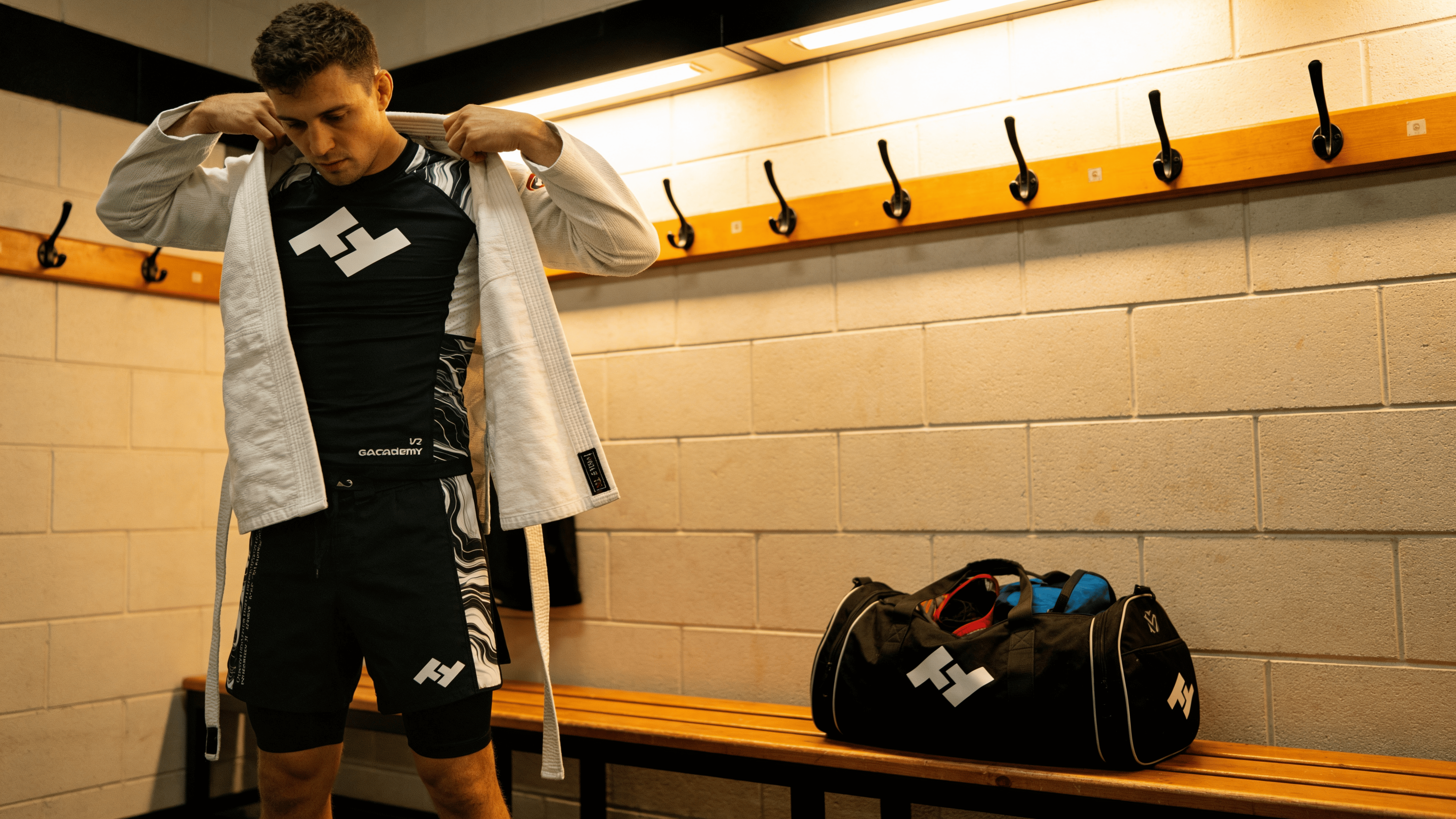
Clear guide on what to wear under a BJJ kimono: rashguard, compression t-shirt, sports bra, IBJJF rules, and practical tips.