



Difference between grappling and BJJ: understanding everything
Grappling and BJJ (Brazilian Jiu-Jitsu) are two ground combat disciplines that are often confused, and for good reason: they share the same technical foundations and are sometimes practiced in the same gyms. However, they are two distinct sports, with their own rules, attire, and philosophy. At Hustle Fightwear, we equip practitioners of both disciplines daily, and we've seen enough beginners lost between the two to offer you a clear guide.
The Origin: Two Parallel Histories
BJJ, or Brazilian Jiu-Jitsu, was born in Brazil in the 1920s, under the impetus of the Gracie family. It is an adaptation of judo and Japanese jiu-jitsu, designed to allow a smaller fighter to dominate a heavier opponent through ground technique. BJJ is traditionally practiced in a gi, i.e., a kimono, with a belt system ranging from white to black.
Grappling, on the other hand, is a broader term that refers to all ground combat disciplines without striking, practiced without a kimono. It draws its influences from BJJ, but also from freestyle wrestling, sambo, catch wrestling, and judo. Modern grappling is a hybrid discipline, codified by federations such as ADCC, IBJJF no-gi, and FILA.
Attire: Kimono vs Rashguard
This is the most visible difference. In classic BJJ (gi), you wear a thick kimono, reinforced trousers, and a belt that indicates your rank. The kimono fabric is an integral part of the game: sleeves, lapels, and trousers are gripped to control, throw, and submit.
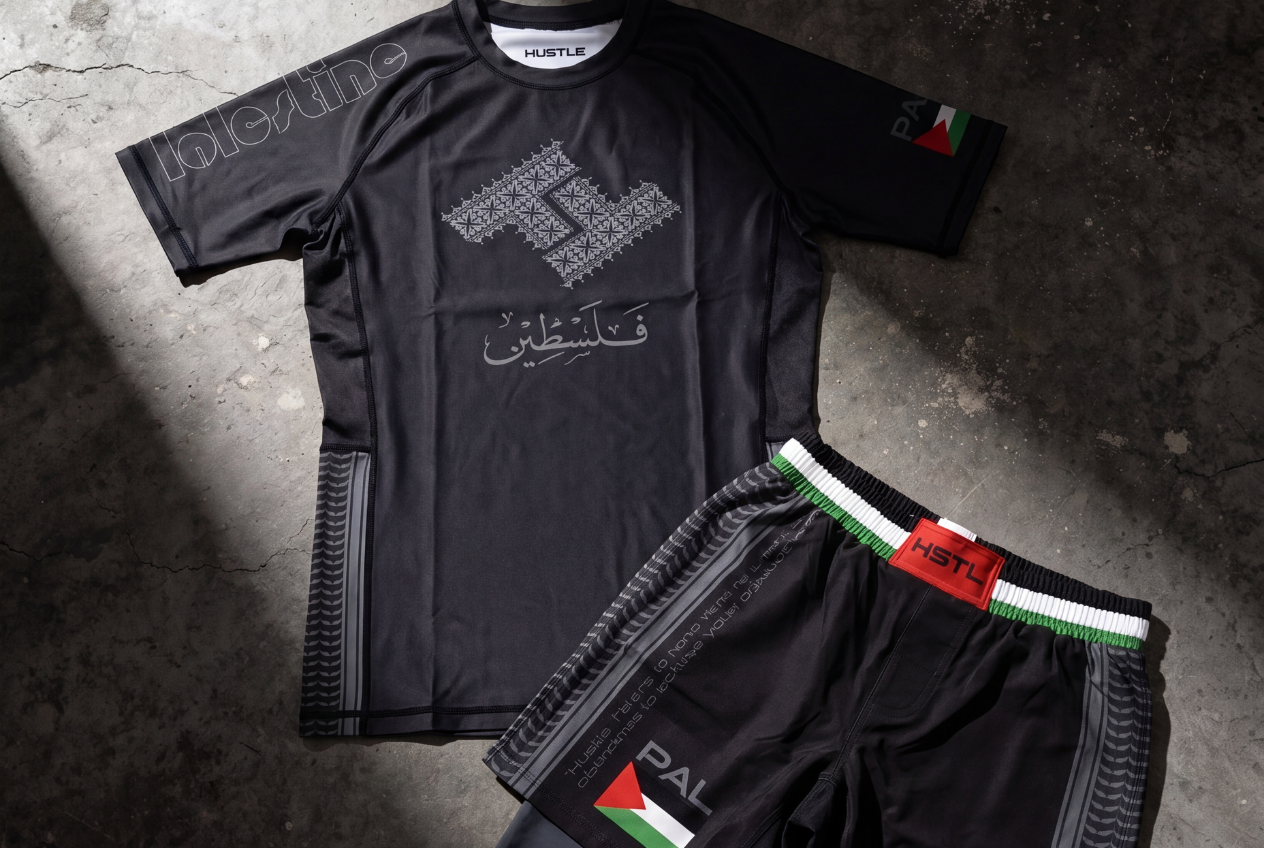
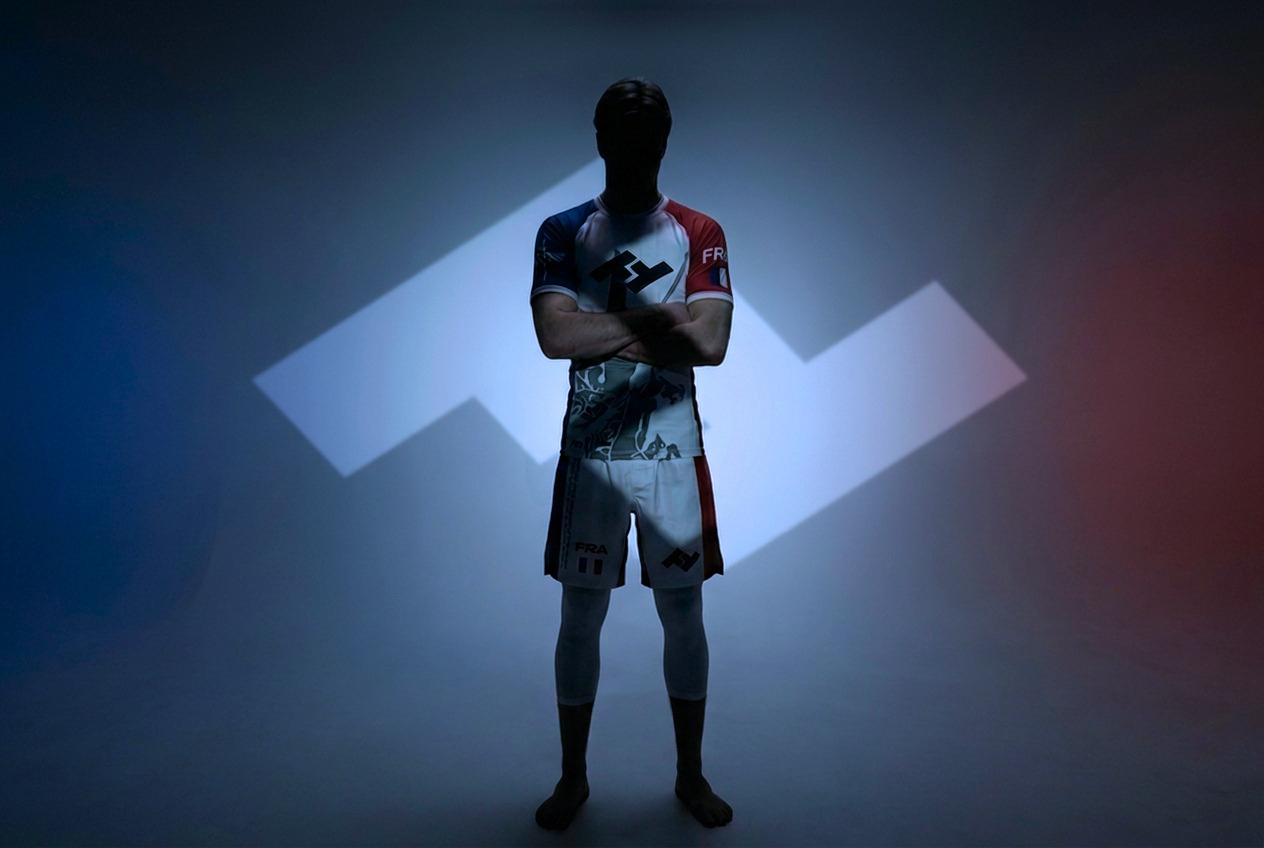
In grappling (and no-gi BJJ), the attire changes radically. You wear a tight-fitting rashguard, technical shorts without pockets or metal fasteners, and possibly compression shorts underneath. Anything that can be gripped is forbidden: no more grips on the fabric, only controls on the body, wrists, ankles, and neck. If you're unsure about the attire, we've prepared a dedicated guide: how to wear a rashguard in BJJ.
Techniques: Same Basics, Different Games
The basic techniques are the same: guard passes, sweeps, reversals, submissions by choke or joint lock. But the game changes completely depending on whether or not you have a kimono to grip.
In BJJ gi, the pace is often slower, more controlled. Grips on the kimono allow you to fix your opponent and develop very specific guard positions (spider guard, lasso guard, worm guard). Collar chokes are omnipresent.
In grappling/no-gi, the pace is faster, more athletic. Without a kimono to hold onto, sweat makes controls slipperier. The game leans more towards leg attacks (leg locks), guillotines, front headlocks, and dynamic positions like the wrestling shot. It's a form of combat closer to what you see in MMA.
Rules and Competitions
In BJJ, IBJJF gi competitions follow a point system: 2 points for a takedown, 2 for a sweep, 3 for a guard pass, 4 for a dominant position (mount, back). Certain techniques (heel hooks, knee twists) are forbidden depending on the rank.
In grappling, rules vary greatly depending on the federations. ADCC, for example, favors a format where most leg attacks are allowed from intermediate ranks. Other formats like EBI or Submission Only eliminate points and only reward submission. This freedom attracts many practitioners looking for a more open and spectacular game.
Which to Choose When Starting?
There's no right or wrong answer. If you like pure technique, strategy, and the "chess on the mat" aspect, start with BJJ in gi. If you come from wrestling, prefer a fast and athletic game, or want to prepare for MMA, lean towards grappling and no-gi.
Many advanced practitioners do both. Gi develops patience and technical finesse, no-gi refines reactivity and physical condition. Whatever your path, you'll need suitable equipment: kimono for gi, rashguard and shorts for no-gi. At Hustle Fightwear, we design technical pieces tested in real conditions by active competitors, so your equipment is never the weak link in your performance.
Read more

A clear comparison between men's and women's rash guards: cut, compression, materials, uses, and advice for choosing the right one.

The complete guide to choosing your no-gi BJJ shorts: materials, cuts, regulatory criteria, and models to prioritize based on your profile.