


No-Gi BJJ: Rules, Equipment, and Differences from Gi
What is no-gi BJJ?
No-gi is the version of Brazilian Jiu-Jitsu practiced without a kimono. Instead of a traditional gi, practitioners wear a rashguard and technical shorts. This discipline shares the same technical foundation as classic BJJ—throws, guard passes, submissions, ground control—but the feel, grips, and strategy change profoundly. Without the fabric of the kimono to grab, everything becomes faster, slipperier, more akin to MMA grappling.
No-gi has exploded in popularity in recent years, driven by competitions like ADCC, Who's Number One, and federations such as IBJJF and CFJJB which organize dedicated tournaments. It is also the basic grappling discipline in MMA. At Hustle Fightwear, we equip no-gi practitioners of all levels, from beginners to international competitors.
No-gi rules: what changes compared to gi
On paper, many rules remain identical: points for guard passes, sweeps, takedowns, mounts, and back takes; submission by tap or technical knockout. But the regulatory differences are significant. In IBJJF no-gi, heel hooks are allowed from brown belt (and even from white belt in some federations like ADCC), whereas in gi, they remain prohibited until brown belt in most regulations.
Another difference: grips. In gi, you can control your opponent via sleeves, collar, or gi skirts. In no-gi, it's direct body contact: underhooks, overhooks, wrist controls, neckties. Fights are generally faster, more explosive, and sweat plays a huge role in grips. If you're a beginner and want to understand the discipline more deeply, read our article on the difference between grappling and BJJ.
Mandatory no-gi equipment
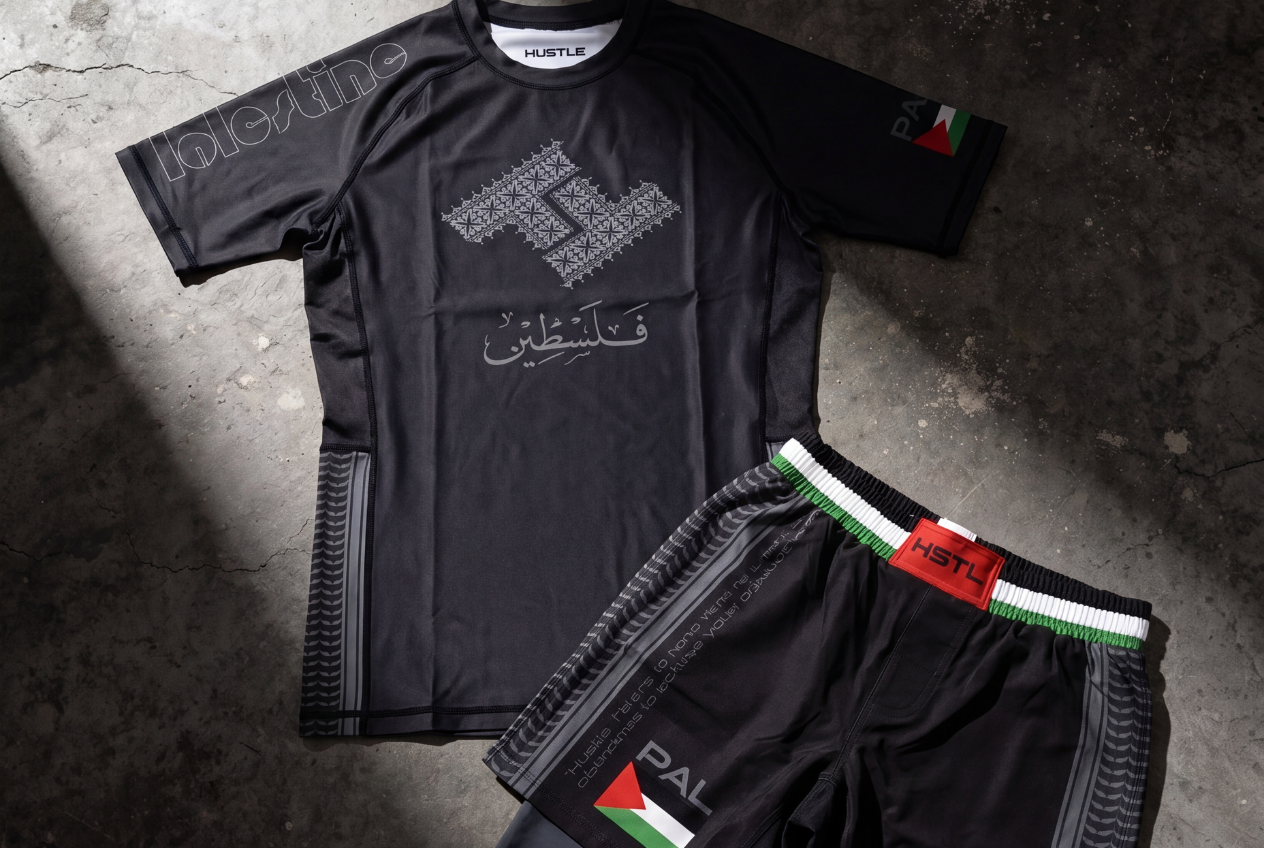
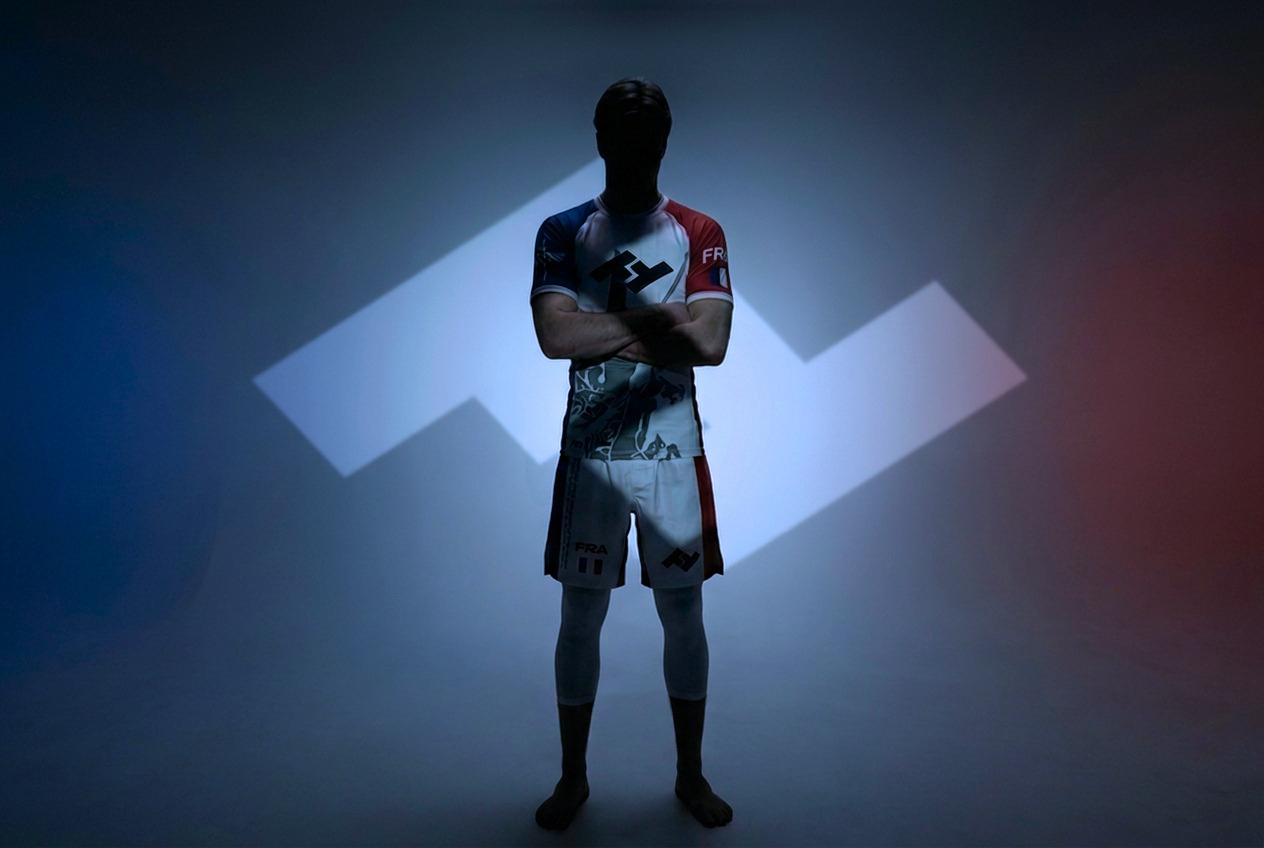
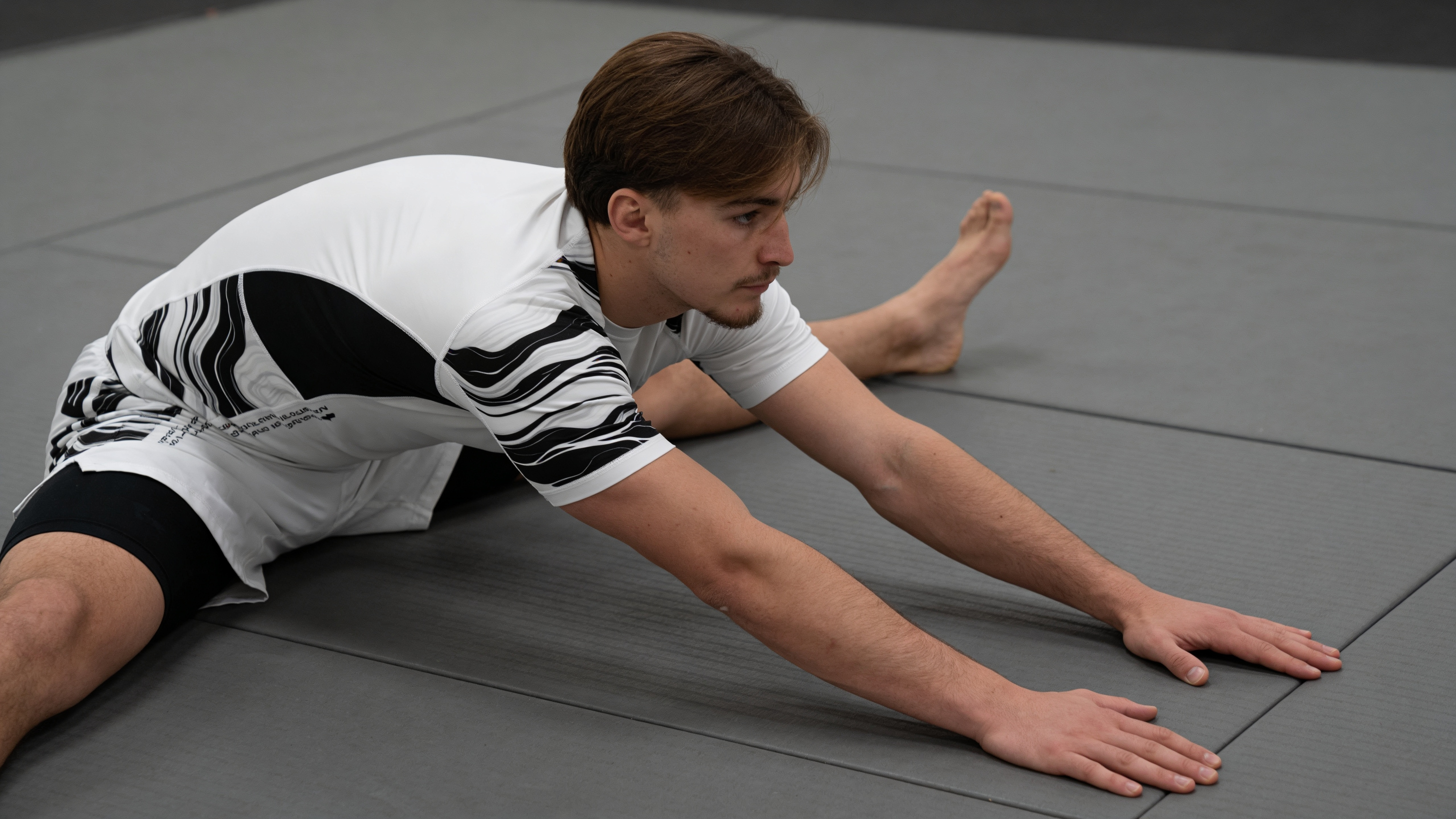
No-gi equipment is much more minimalist than gi: a rashguard, grappling shorts, compression shorts underneath (optional but recommended), and a mouthguard for competition. No need to buy a €200 kimono anymore—a complete and high-quality no-gi outfit often costs under €100-€120.
The rashguard must be technical (polyester/elastane), fitted to the body, and long enough not to ride up during ground fighting. In IBJJF no-gi competition, it must comply with the belt color code (white, blue, purple, brown, black with at least 10% of the corresponding grade color). The shorts must be compliant: no pockets, no zippers, no buttons. To learn more on this topic, consult our guide on mandatory rashguards in BJJ IBJJF competition.
Gi vs no-gi: which to choose for beginners?
The question divides coaches. Gi proponents highlight the "slower" technique, which forces practitioners to understand levers, positioning, and patience. No-gi proponents emphasize the athletic aspect, MMA applicability, and faster learning curve for athletic beginners. The reality is: the two complement each other, and the best practitioners train in both formats.
If you're primarily looking for self-defense or MMA, start with no-gi—you'll be in more realistic situations compared to the street or the cage. If you want to work on fine technique and a complex guard game, gi remains the essential school. Ideally, train in both gi and no-gi in the same week: your overall level will progress much faster.
Common no-gi beginner mistakes
The first mistake: believing that no-gi is just "BJJ without a kimono." The timings, controls, and defense are specific. Many beginners try to replicate their gi game—sleeve grips, collar controls—and find themselves completely lost. You have to accept starting from a base of underhooks, hip controls, and body pressure.
Second mistake: neglecting equipment. An oversized rashguard, shorts with a zipper, a cottony material that soaks up sweat… you'll lose comfort, hygiene, and risk skin injuries. Approved technical equipment is a basic investment, not a luxury.
Getting started in no-gi: Hustle Fightwear tips
To get started: buy two rashguards (one for Monday, one for Wednesday), quality grappling shorts, and compression shorts for underneath. Wash your equipment after each session, air dry it, and replace your rashguard every 12-18 months if you train regularly. Good hygiene is crucial in no-gi—skin-to-skin contact increases the risk of ringworm and staph if the gear isn't clean.
Ready to equip yourself for your first or fifth no-gi season? Discover the Hustle Fightwear Rashguard collection: competition-approved rashguards, athletic cuts, 240 gsm technical fabrics, and designs in all belt colors. No-gi is a different sport. Take it seriously from the start.
Read more
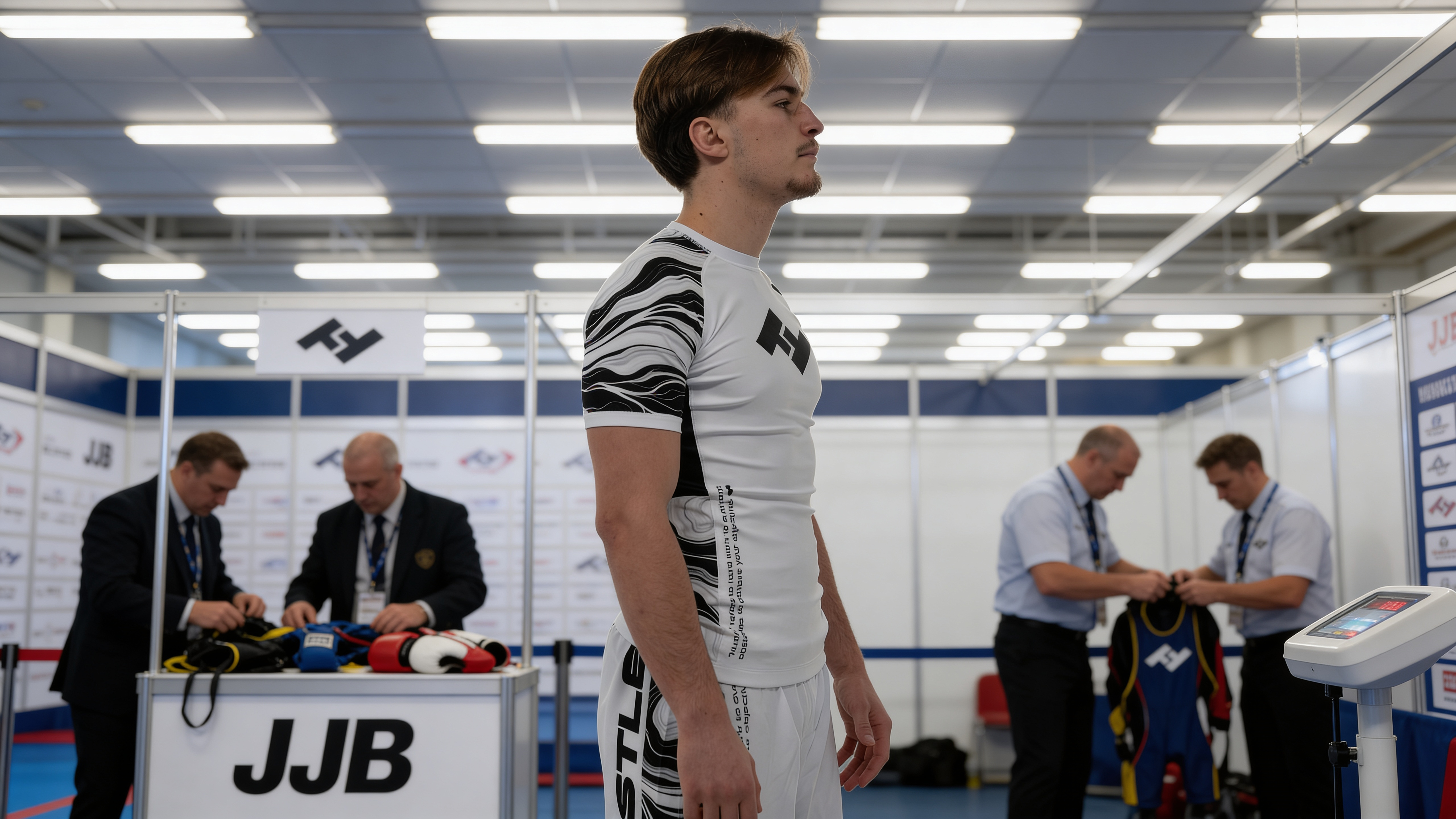
Everything you need to know about rashguard requirements in BJJ competition: IBJJF and CFJJB rules, colors by belt, and mistakes to avoid.
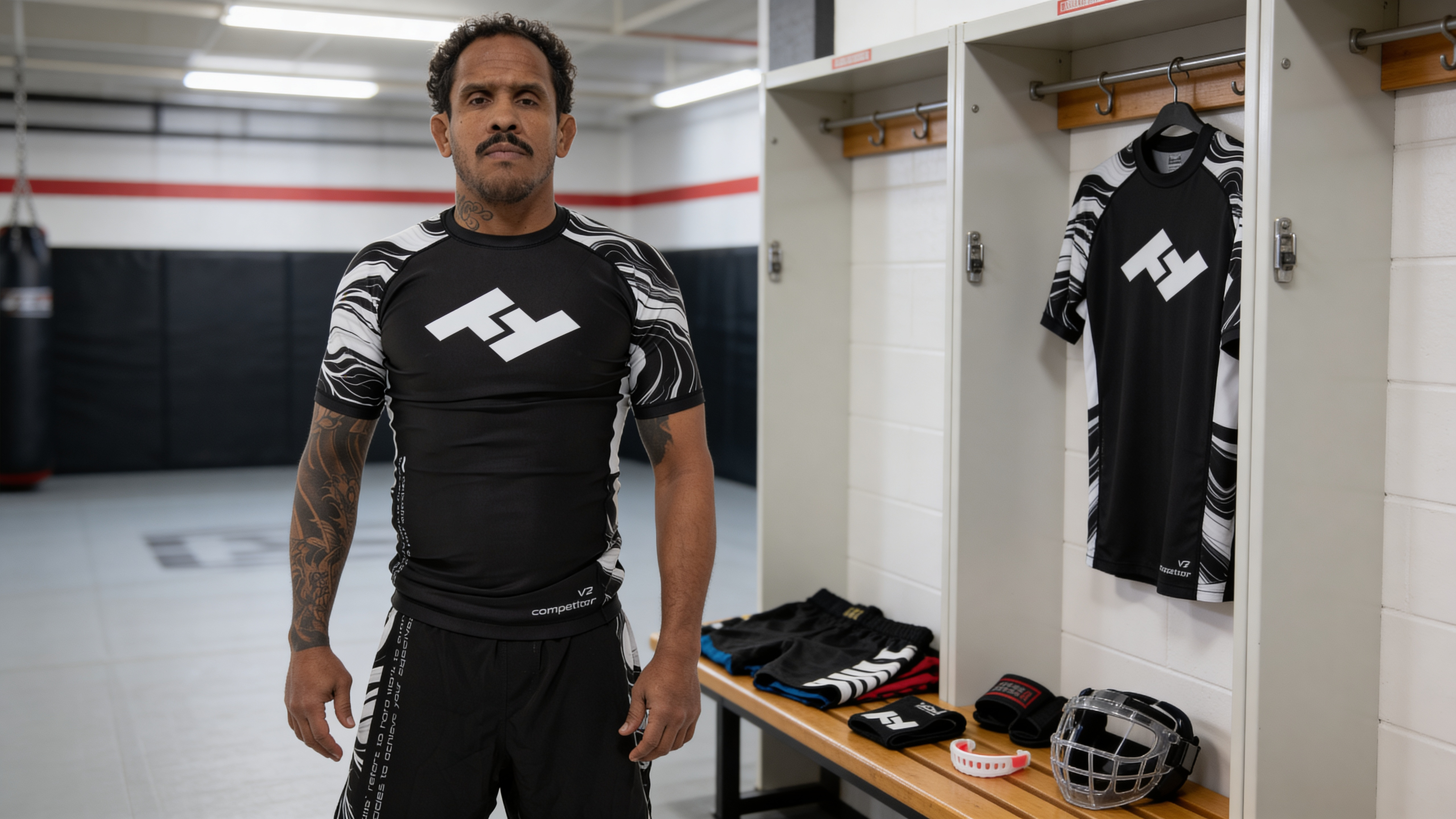
Are you new to grappling or looking to upgrade your gear? Here's the complete guide to outfitting yourself smartly without breaking the bank.