


Rashguard Mandatory in BJJ Competition? What the IBJJF and CFJJB Rules Say
Is a rashguard mandatory in BJJ competitions?
The short answer: yes, in no-gi, a rashguard is mandatory in the vast majority of official Brazilian jiu-jitsu competitions. The two main federations — the IBJJF (International Brazilian Jiu-Jitsu Federation) and the CFJJB (French Brazilian Jiu-Jitsu Commission) — require competitors in no-gi divisions to wear a compliant rashguard. In gi (with kimono), a rashguard remains optional for men but mandatory for women under the kimono.
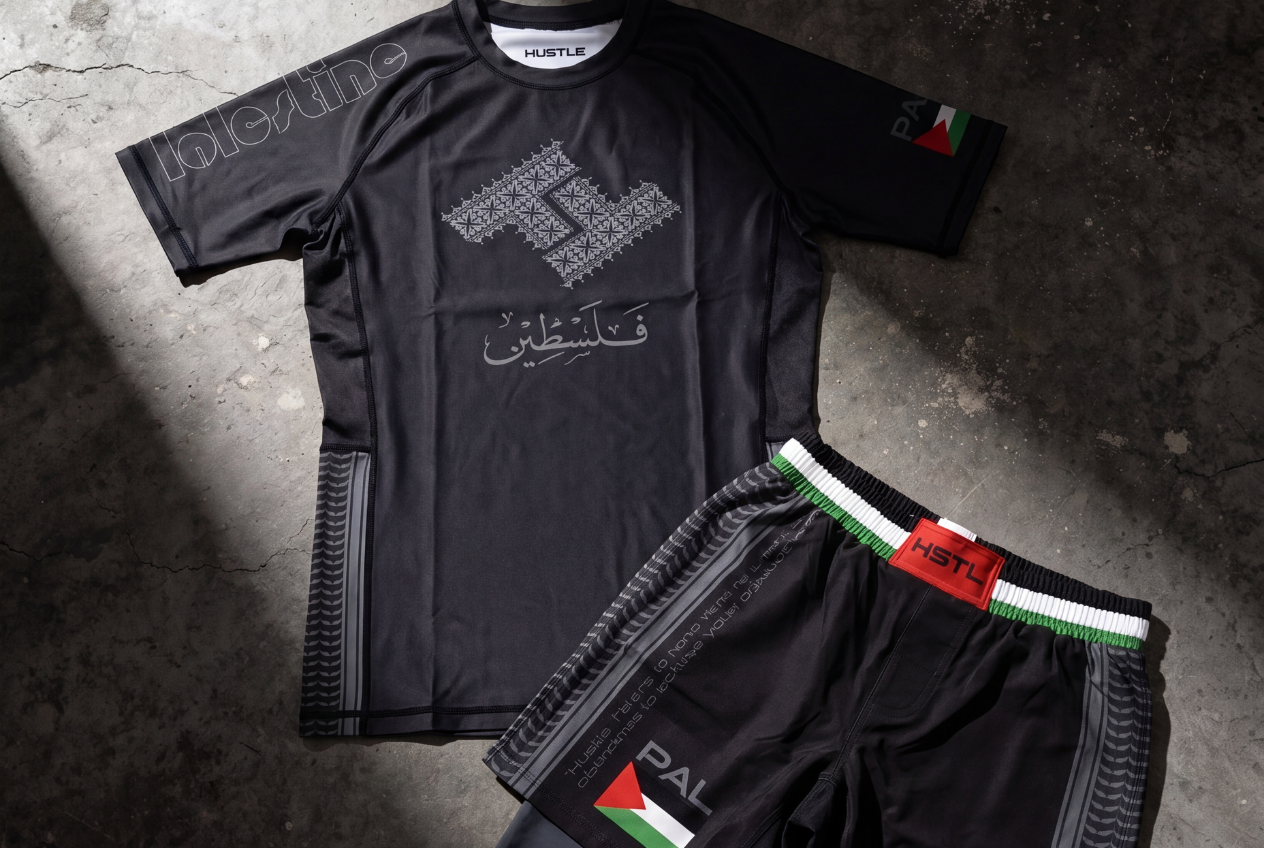
This obligation is not arbitrary: it addresses hygiene, safety, and uniformity requirements. A well-designed rashguard protects the skin from abrasions, limits the transmission of skin infections like staph or herpes gladiatorum, and prevents irritation from prolonged contact with the mat. At Hustle Fightwear, every rashguard is designed to meet these competition requirements.
IBJJF rules on rashguards in no-gi
The IBJJF regulations are precise. In no-gi competition, the competitor must wear a short or long-sleeved rashguard, made of elastic fabric (lycra, spandex, technical polyester) that covers at least half of the torso. The rashguard must be form-fitting — no loose t-shirts allowed — and its color must match the practitioner's belt rank.
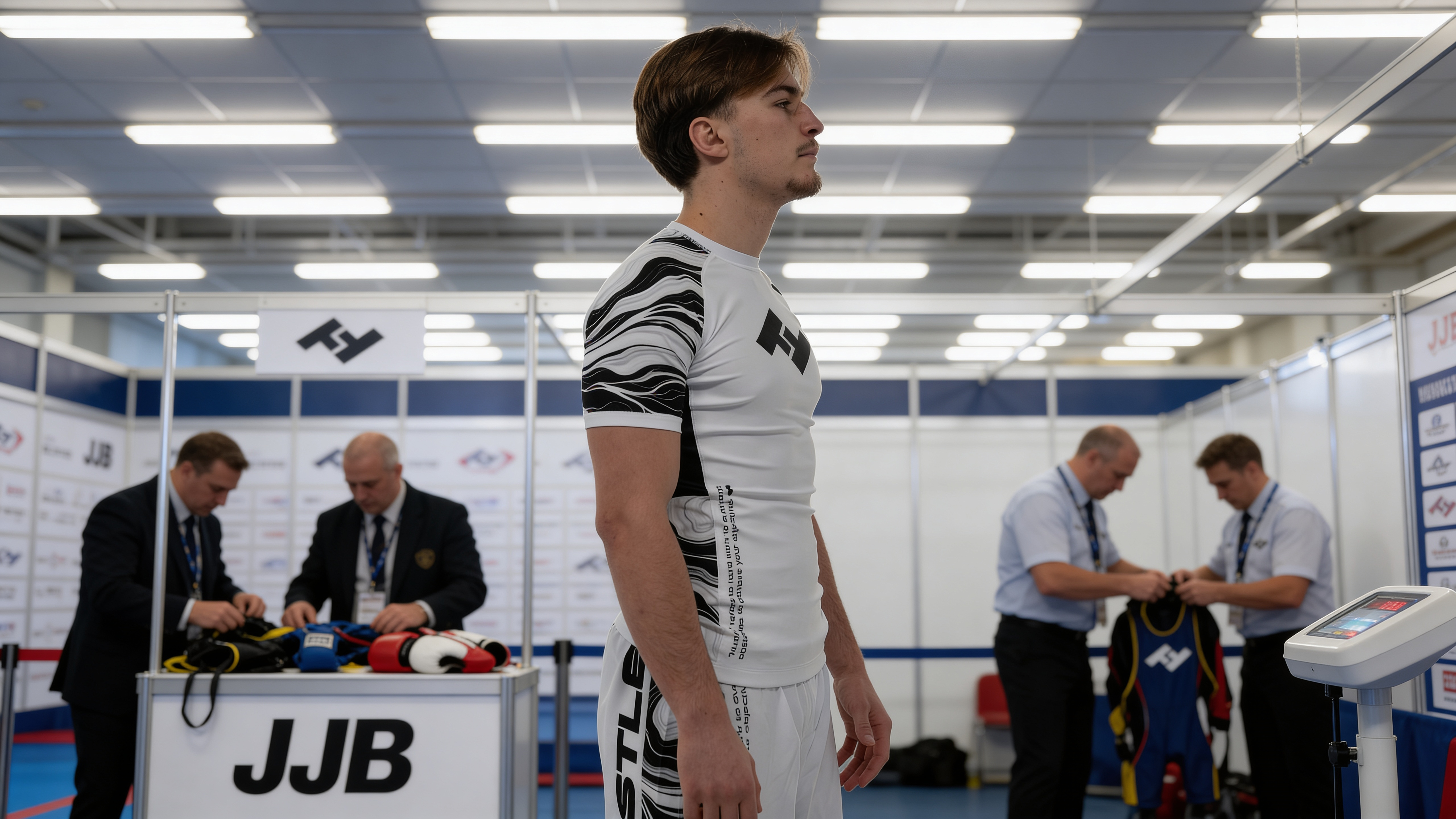
Here is the official IBJJF color code by belt in no-gi: white belt = white rashguard or with at least 10% white; blue belt = blue rashguard or with at least 10% blue; purple belt = purple rashguard or with at least 10% purple; brown belt = brown rashguard or with at least 10% brown; black belt = black rashguard or with at least 10% black. A rashguard that is completely out of grade can result in disqualification at weigh-ins or gear check.
CFJJB rules: specificities to know
The CFJJB, the French federation affiliated with the FFJDA, applies regulations similar to the IBJJF but with some practical adjustments. In no-gi, a rashguard is systematically required, and the federation tolerates certain color variations as long as the fighter's belt rank remains clearly identifiable. Competition shorts must also comply: no pockets, no zippers, no buttons — only technical grappling or MMA shorts.
A point often overlooked: the material. A classic cotton rashguard is not approved. It must be a quick-drying technical fabric, with no risk of tearing from gripping. Reinforced seams, a close-fitting cut, and sufficient length (the rashguard must not ride up during a sprawl) are discriminating criteria during gear checks. To help you choose a 100% compliant outfit, consult our guide on choosing the right competition rashguard.
The most common mistakes before a competition
Many beginner competitors are turned away at gear check because they overlook the details. The most common mistakes: arriving with a rashguard in the wrong colors for their belt, wearing a model that is too loose or too short, choosing a non-technical material, or wearing shorts with forbidden metal elements. The result? Disqualification or the urgent need to borrow a compliant outfit on site.
Another mistake: forgetting that it's often necessary to bring two rashguards. Between the pools in the morning and the finals in the afternoon, a sweat-soaked rashguard is uncomfortable to put back on and can smell strongly. Serious competitors always have a change of clothes in their bag. If you're a beginner, our article on what to wear under a BJJ kimono provides useful guidelines.
How to choose an approved competition rashguard?
Four criteria differentiate a leisure rashguard from a competition rashguard: the cut (fitted, long, no riding up), the fabric (technical polyester/elastane, 200+ gsm, quick-drying), the seams (flat and reinforced, ideally flatlock), and compliance with the color code by belt. A good competition rashguard should also maintain its shape after 50+ washes — otherwise, you'll have to buy a new one at the start of each season.
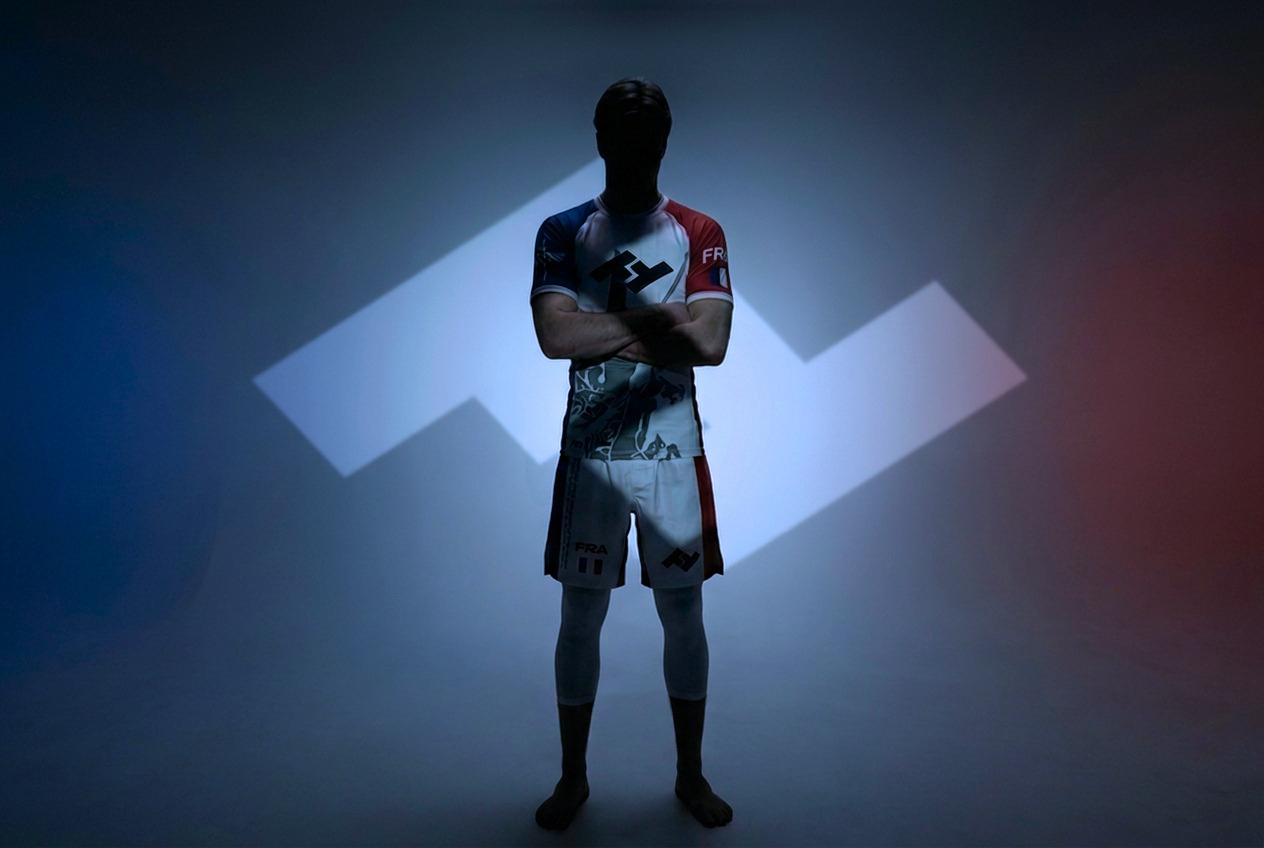
At Hustle Fightwear, the entire Rashguard range is designed for no-gi competition: athletic fit, 240 gsm technical fabric, flatlock seams, and designs by rank. Our Competitor V2 set, for example, is CFJJB and IBJJF approved, and is already worn by top-level competitors like Rakim Akaimov and Ali Abduragimov.
What to remember before your next competition
The rashguard is not a gadget: it's a regulatory item that can get you disqualified if it's not compliant. Before each competition, systematically check the technical regulations of the organization (IBJJF, CFJJB, ADCC, UAEJJF, FFKMDA…), the color required for your belt, the material, and the cut. Always pack two complete outfits in your bag.
By choosing a rashguard designed for competition from the start, you avoid unpleasant surprises at weigh-ins and can focus on what matters: your fight. Ready to gear up seriously? Explore the Hustle Fightwear Rashguard collection and choose an approved model in your belt's colors.
Read more
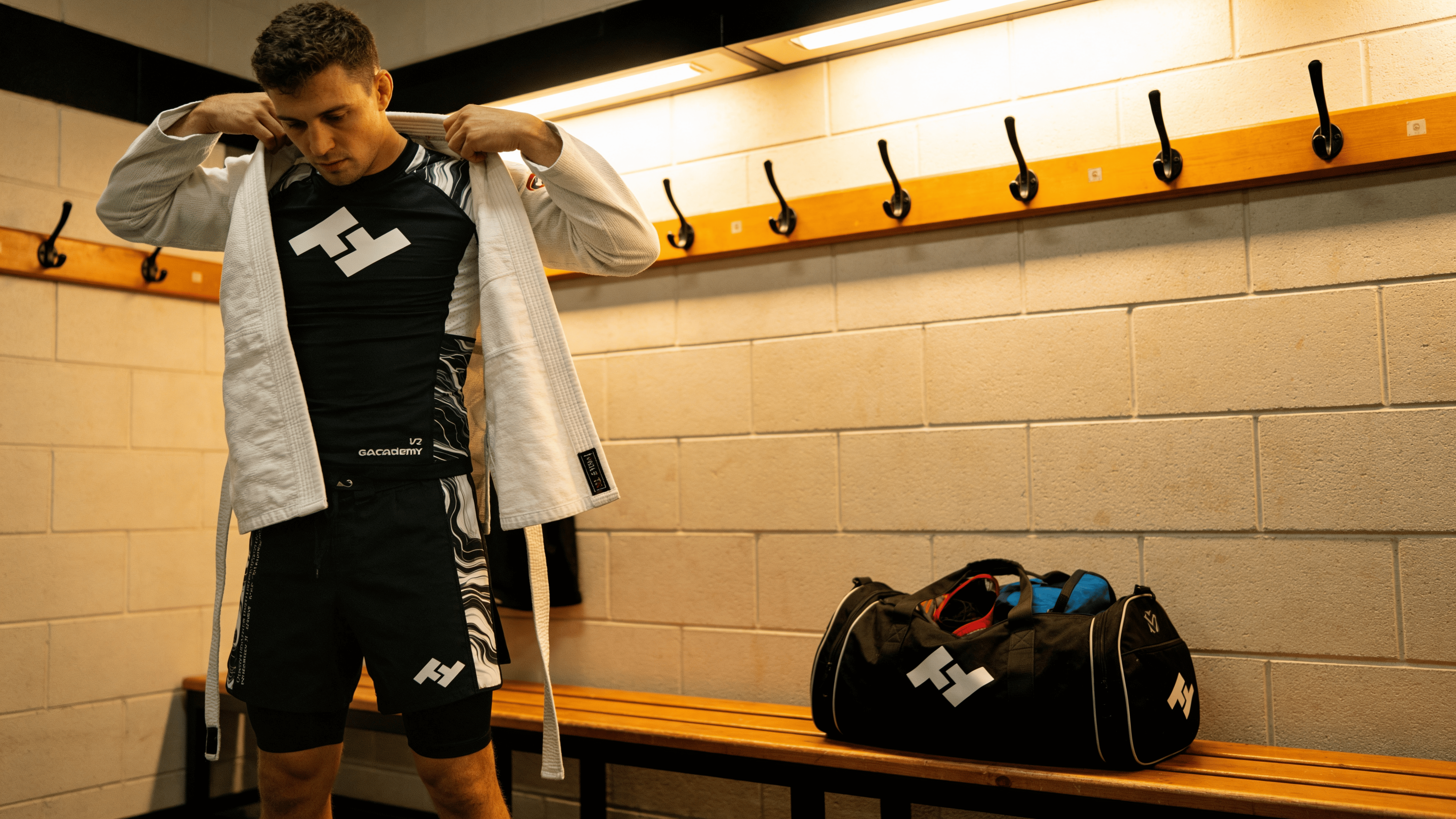
Clear guide on what to wear under a BJJ kimono: rashguard, compression t-shirt, sports bra, IBJJF rules, and practical tips.

Discover no-gi BJJ: rules, equipment, differences from gi and practical tips for transitioning to grappling without a kimono.