

Long-sleeve or short-sleeve rashguard: which to choose?
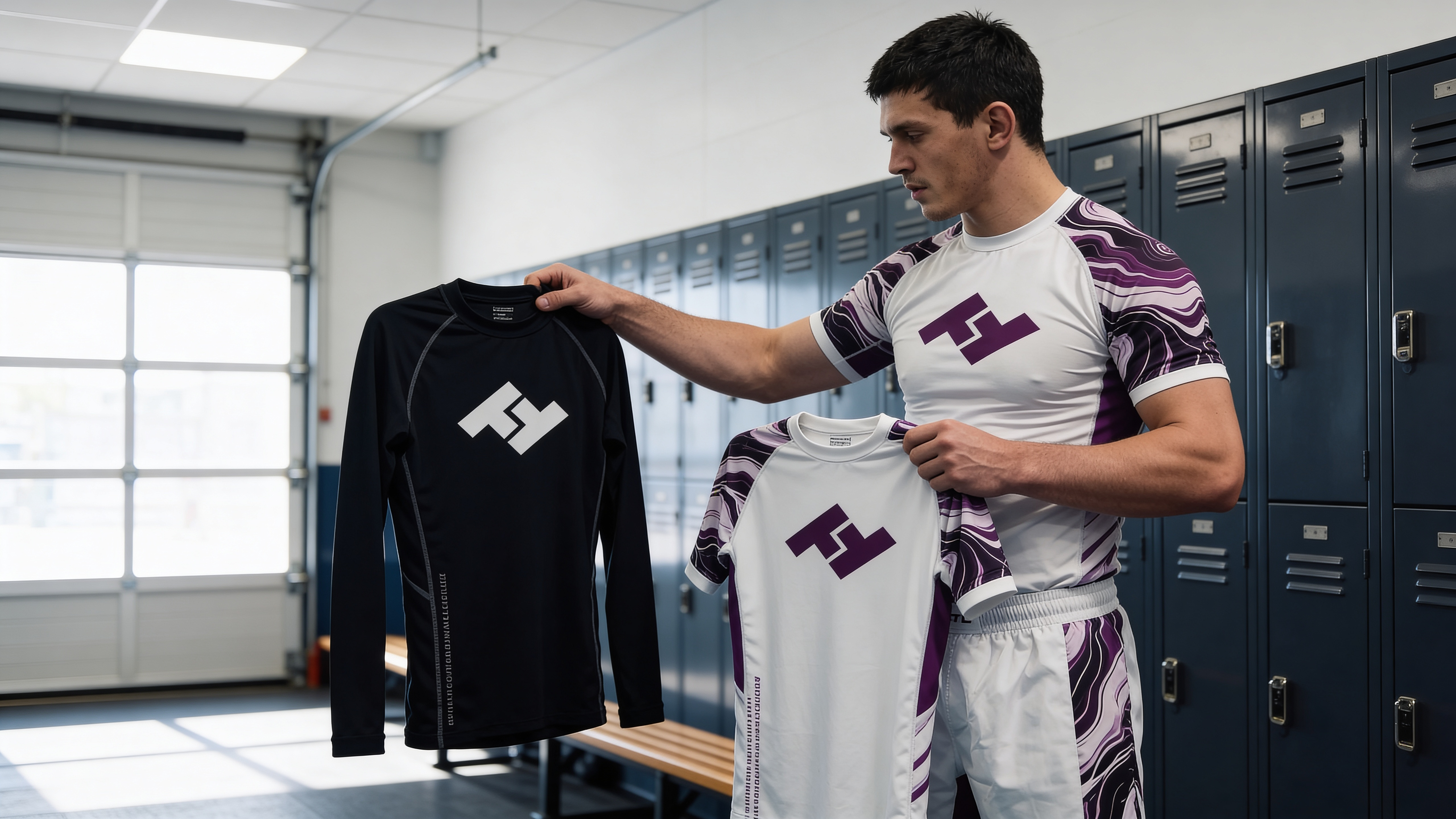
Long-sleeved or short-sleeved rash guard? The answer depends on your discipline, your goals, and the context of your practice. Long sleeves offer more protection and support, ideal for BJJ and intensive grappling. Short sleeves prioritize freedom of movement and ventilation, perfect for MMA and gym training. In this guide, I'll show you how to choose based on your situation.
Long sleeves vs. short sleeves: key differences
When you're looking for a rash guard, you need to understand that this garment isn't just about aesthetics. It's a functional piece of equipment that directly impacts your performance, protection, and comfort on the mat.
Long sleeves cover your arms completely, from wrist to shoulder. They offer maximum protection against abrasions, repeated friction, and skin chafing. They also stabilize your joints.
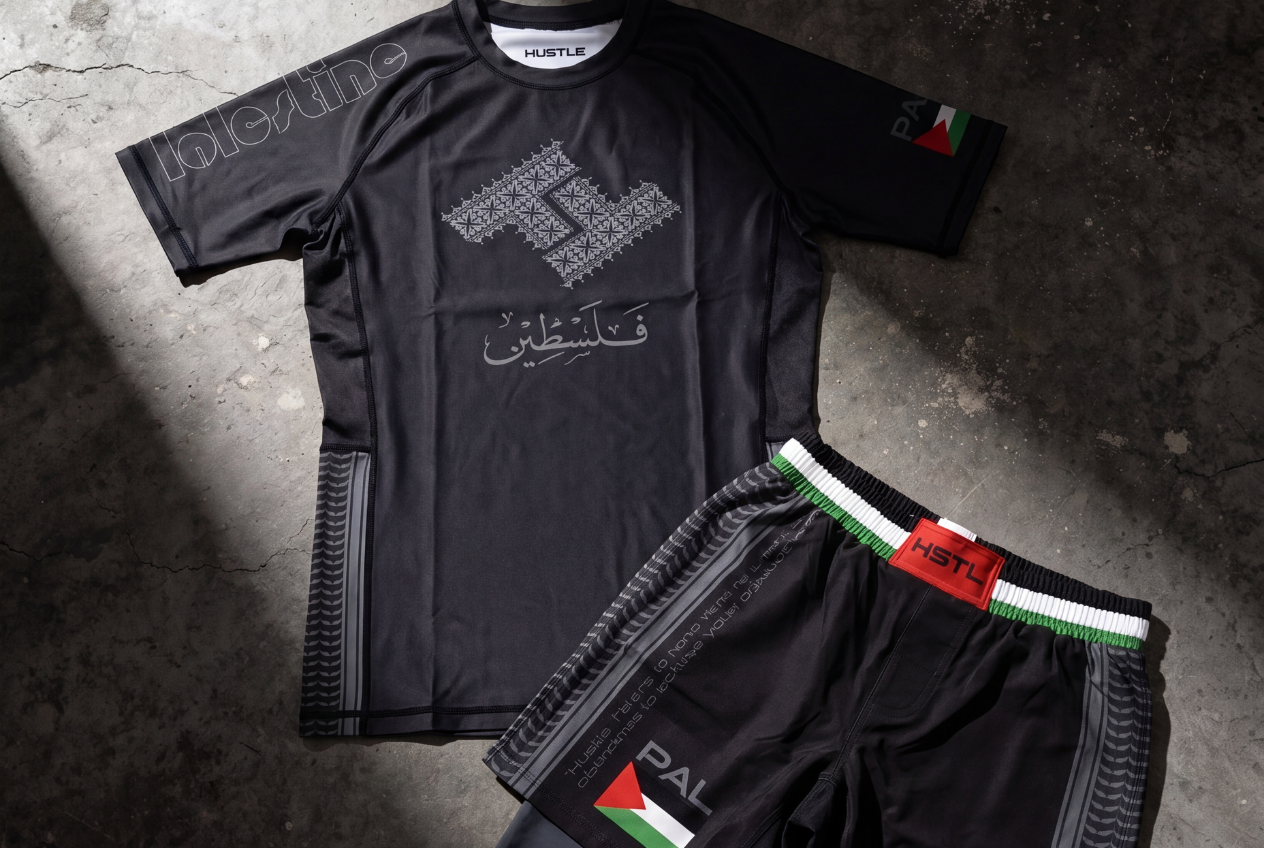
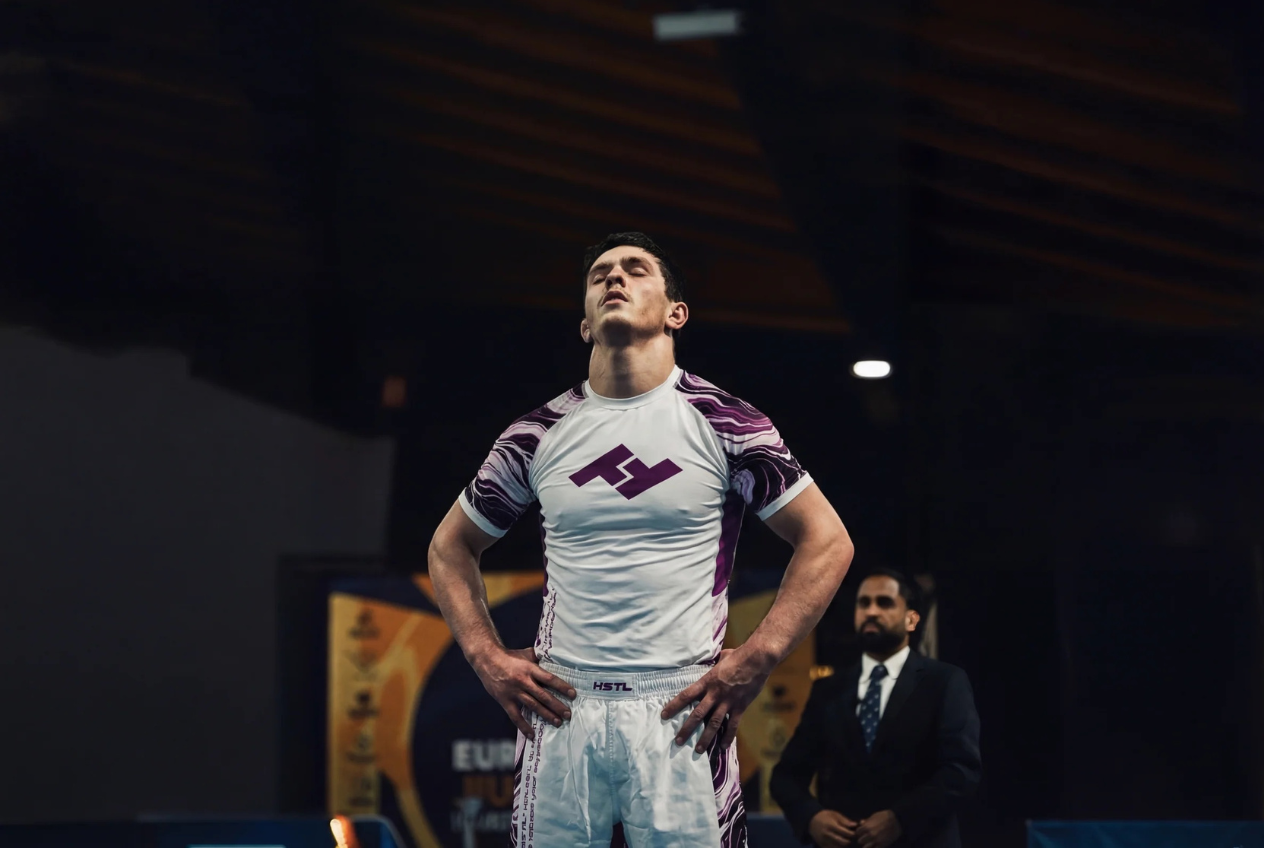
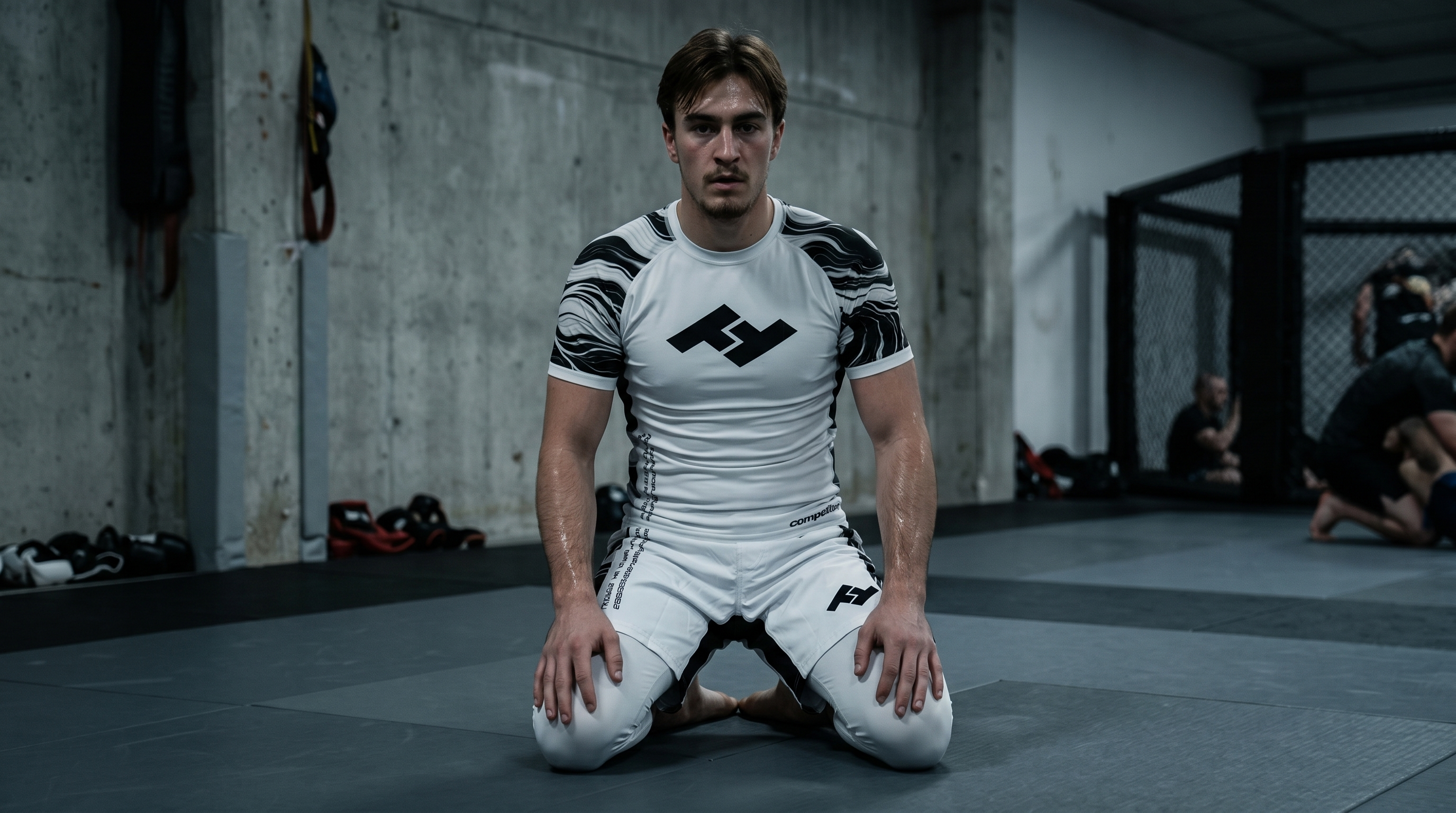
Short sleeves stop at mid-bicep or just above the shoulder. They leave your forearms and part of your arms exposed, promoting better airflow and maximum range of motion.
Long-sleeved rash guard: when and why to choose them
Maximum protection against mat burn
If you practice BJJ or intensive grappling, mat burns are your enemy. Long sleeves fully protect your arms against this repeated friction. This is particularly important if you're in the learning phase or rolling against aggressive partners.
Long sleeves also reduce the risk of impetigo and other skin infections, as they create a barrier between your skin and the potentially contaminated mat.
Joint support and compression
Long-sleeved rash guards offer progressive compression that supports your shoulders and elbows during your movements. This compression improves blood circulation and reduces muscle fatigue during long training sessions.
IBJJF rule compliance
If you compete in IBJJF-sanctioned BJJ, you need to know the rules regarding rash guards. Long sleeves are accepted at all competition levels. It's the safest option if you're aiming for competition.
Short-sleeved rash guard: when and why to choose them
Freedom of movement and ventilation
Short sleeves are ideal if you practice MMA, Muay Thai, or other disciplines where you need maximum range for strikes. Ventilation is also better—if you sweat a lot or train in a hot environment, short sleeves dry faster.
Mobility and pure technique
In no-gi or sport grappling, short sleeves allow for a better feel of your arms against your opponent's. You feel controls and grips better, which refines your technique.
Gym training comfort
For casual gym training, short sleeves are more comfortable. They don't make you feel constricted, and you can combine them with a normal t-shirt.
Comparison by discipline
| Discipline | Long sleeves | Short sleeves | Recommendation |
|---|---|---|---|
| BJJ (gi or no-gi) | Excellent protection, stability | Freedom, but less protection | Long sleeves |
| MMA | May hinder strikes | Ideal for range and ventilation | Short sleeves |
| Intensive grappling | Maximum protection, compression | Good for light grappling | Long sleeves |
| Sport no-gi | Protection, but less necessary | Perfect, fluid technique | Short sleeves |
| Weightlifting / CrossFit | Good for compression | Lighter and airier | Short sleeves |
Essential questions before choosing
- Do you compete? If so, check the IBJJF rules. Long sleeves are accepted everywhere.
- What type of training? Intensive with a lot of friction = long sleeves. Fluid technique = short sleeves.
- What is your level of skin sensitivity? Delicate skin = long sleeves.
- What is your environment? New and clean mat = short sleeves ok. Old mat = long sleeves safer.
FAQ: Frequently asked questions about choosing a rash guard
Do long sleeves make me sweat more? Is this normal?
Yes, it's normal. More fabric = more heat retained. However, a good polyamide-spandex rash guard regulates perspiration well. Choose a quality rash guard, and you won't really feel the difference.
Can I wear a long-sleeved rash guard in MMA?
Technically yes, but it's not ideal. In MMA, you need your full range for strikes. Long sleeves can slightly limit your shoulder rotation. I recommend short sleeves for MMA.
Do short sleeves offer enough protection against infections?
Short sleeves provide partial protection. If you train in a controlled and clean environment, it's acceptable. Otherwise, opt for long sleeves or wash yourself immediately after each session.
Should I buy both to progress?
It's a good idea if you practice multiple disciplines. A long-sleeved rash guard for BJJ and grappling, a short-sleeved one for MMA or light training.
What is the ideal rash guard size?
The rash guard should be snug but not tight. Consult our guide How to choose your rash guard size for complete details.
Care and durability
Long and short sleeves are cared for no differently. Wash your rash guard after each use in cold water, air dry it, and avoid tumble drying. Discover all our tips in the article How to properly wash a rash guard. If you have a sizing issue, also consult how to shrink a rash guard.
How to wear your rash guard correctly
Regardless of whether you choose long or short sleeves, the important thing is to wear your rash guard correctly. It should cover your chest completely, extend low enough over your hips, and fit snugly without creating wrinkles. Consult our detailed guide: How to wear a rash guard.
My verdict: long sleeves or short sleeves?
If I have to give you a direct answer based on my years of BJJ competition and grappling: start with long sleeves. Why? Because protection comes first, especially at the beginning. Once you master your technique, you can explore short sleeves for more mobility. And if you do MMA or sport no-gi, short sleeves become your priority.
Choose your Hustle Fightwear rash guard
At Hustle Fightwear, all our rash guards are designed for athletes like you. Whether you're looking for maximum protection with long sleeves or the freedom of short sleeves, you'll find a model that matches your discipline. Discover our entire collection: Discover all our rash guards.
Read more
Detailed review of Hayabusa rash guards: quality, durability, value for money, and comparison with Hustle Fightwear for BJJ and MMA practitioners.
T'as déjà hésité devant le planning de ta salle, entre le créneau gi du mardi et le créneau no-gi du jeudi ? Presque chaque compétiteur qui débute le JJB se pose cette question au bout de quelques ...