



MMA and sparring shorts: best practices for training safely
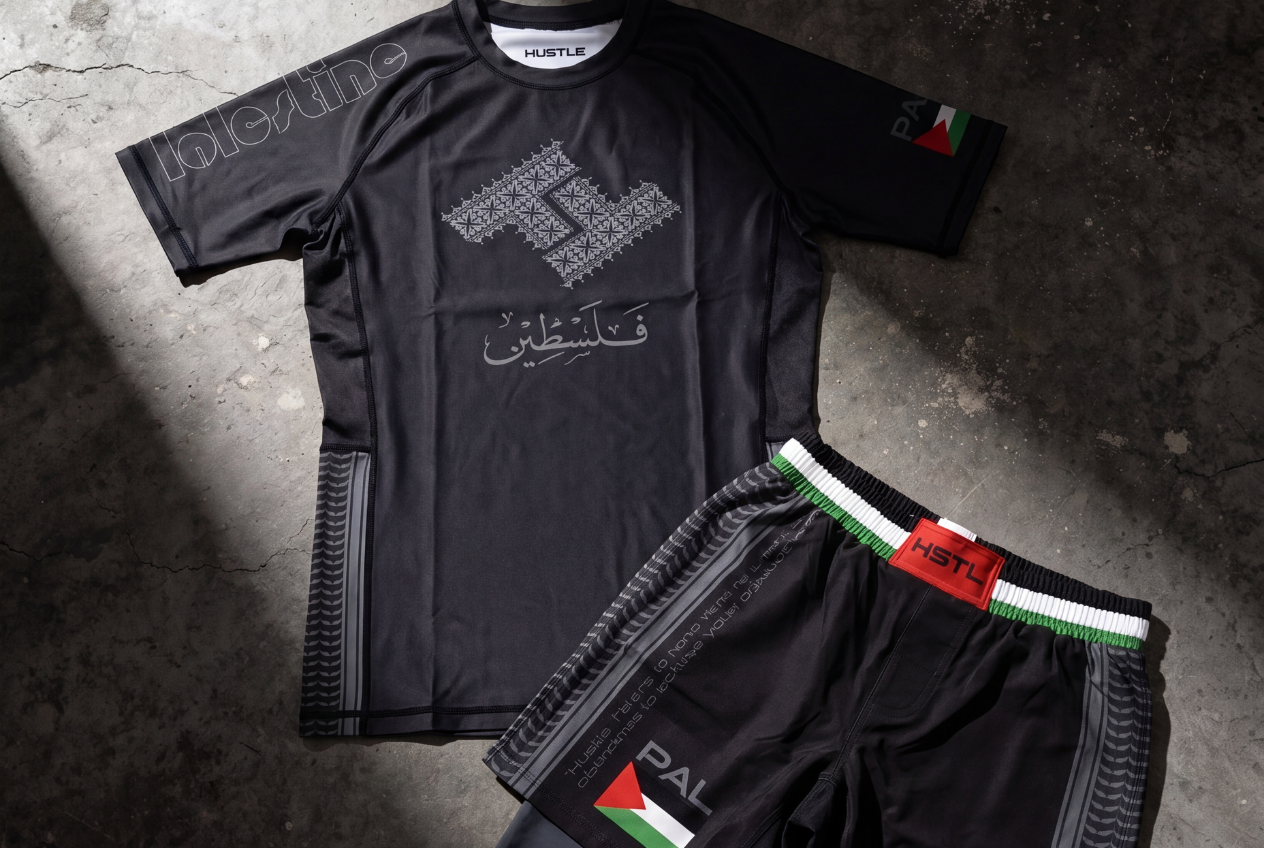
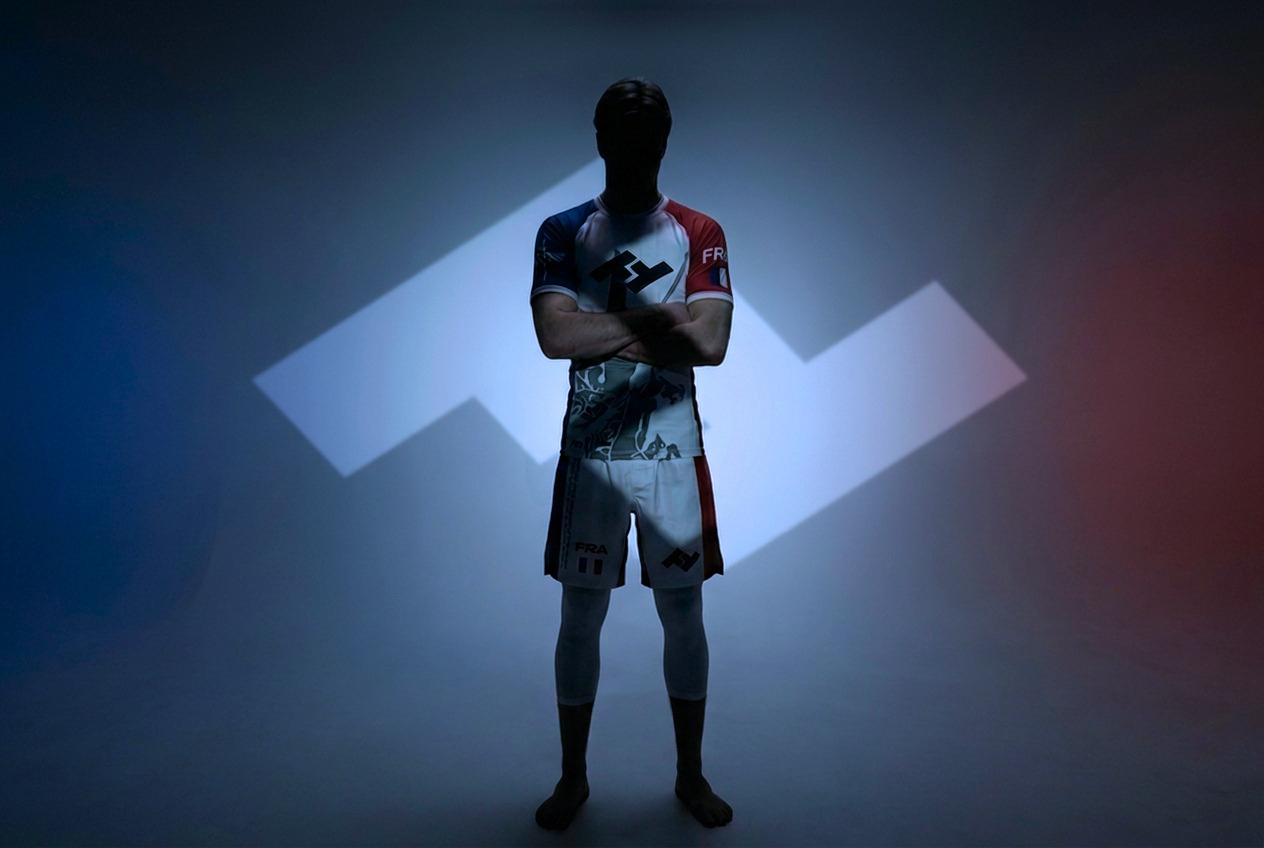
Sparring is undoubtedly the most important training phase in MMA and grappling. It's where technique turns into reflex and the fighter is forged. Yet, few practitioners pay attention to a detail that can change everything: the shorts they wear. Poorly fitting shorts can injure a partner, hinder movements, or tear in the middle of a session. At Hustle Fightwear, we designed our shorts with intensive sparring in mind. Here are some best practices for effective and safe training.
Why shorts make a difference in sparring
In sparring, you chain together striking, clinching, takedowns, and ground work. Each transition puts the shorts to the test: tears at the seams, Velcro closures rubbing against your partner, length that blocks guard passes. Good sparring shorts must therefore be designed for full combat, not just for standing strikes. This is exactly the philosophy behind our MMA shorts collection: 4-way stretch fabrics, flat closures, and a cut designed for ground work.
Partner safety is also at stake. Shorts with exposed metal elements, rigid seams, or poorly positioned Velcro straps can cause scratches, or even cuts. The whole challenge is to protect your own body as much as that of the opponent you train with daily.
Technical criteria for MMA shorts for sparring
Three criteria dominate: fabric flexibility, cut length, and closure quality. A 4-way stretch fabric guarantees total freedom, essential for high kicks and quick guard passes. The ideal length reaches mid-thigh: short enough not to hinder, covering enough to remain compliant in competition.
Velcro closures should be flat and placed on the side or back, never directly facing the partner. The internal drawstring completes the support without creating a friction point. To learn more about choosing suitable shorts, our article how to choose your MMA shorts details all the parameters to examine before purchasing.
Best practices during the session
Before stepping onto the mat or into the ring, systematically check the condition of your shorts: intact seams, clean Velcro, no protruding buckles or objects. Shorts nearing the end of their life tend to tear when you least need them, during a takedown or leg pass.
During sparring, rotate your shorts. Wearing the same gear for all sessions accelerates its wear and increases the risk of bacterial proliferation, especially in areas of intense perspiration. The ideal: three to four shorts in rotation for a regular practitioner. Also consider wearing a rashguard under your shorts to limit chafing and protect your skin.
Hygiene: an often underestimated point
Sparring brings two bodies into close contact, sometimes for an hour. Shorts hygiene is therefore a matter of respect for your partner as well as material durability. Wash your shorts after each session, at a maximum of 30°C, inside out, and with a mild detergent. Avoid fabric softener, which deteriorates technical fibers, and especially avoid the dryer, which stretches the fabric and melts stretch seams.
Well-maintained shorts retain their support, cut, and new appearance for hundreds of sessions. It's a minimal investment for maximum long-term comfort.
Choosing the right model for your level
A beginner in MMA does not have the same needs as a competitor. For the first sessions, opt for versatile, robust, and easy-to-wash shorts. As you progress, you can invest in more specific technical models: intensive sparring, no-gi competition, pure grappling. Hustle Fightwear shorts are designed to support this increase in intensity, from the club to the international podium. Akhmed Akaimov and Khasan Abduragimov, two athletes we equip, use our shorts daily in high-level sparring.
The right sparring shorts are not the ones that shine the most; they are the ones you forget during the session. Comfort, safety, durability: these three words summarize the entire philosophy of well-designed equipment.
Read more
New IBJJF no-gi 2026 uniform rules: rashguard, shorts, colors, and what's changing for competitors.

After 3 months of use by our athletes and customers, the Competitor V2 set delivers its real verdicts: what works, what surprises, and who it's made for.