


How to Start BJJ? The Complete Beginner's Guide
Brazilian Jiu-Jitsu (BJJ) is one of the most comprehensive and accessible martial arts in the world. Whether you dream of stepping onto the mats to let off steam, learn self-defense, or aim for competition, this guide gives you all the keys to starting your BJJ journey right.
Why start Brazilian Jiu-Jitsu?
BJJ is a martial art based on ground combat. Unlike many combat sports, it relies on leverage, technique, and timing rather than pure strength. This means that a smaller or weaker practitioner can neutralize a larger opponent through precise positioning and effective submissions.
The benefits extend far beyond the mat: improved cardiovascular health, increased flexibility, fat loss, self-confidence, stress management, and the creation of a true community. Many beginners quickly discover that BJJ becomes a lifestyle, not just a sport.
Finding the right club to start
Choosing your academy is probably the most important decision in your first few months. Look for a club affiliated with a recognized federation (CFJJB, IBJJF, JJBSF), with a qualified black belt instructor. A good club should offer a "beginners" or "fundamentals" class separate from the advanced class, ideally two to three times a week.
Don't hesitate to do one or two trial classes before committing. Observe the atmosphere: are newcomers well-received? Do higher belts share their knowledge? Is the room clean, and are the mats disinfected? These details will make all the difference in the long run.
Minimum equipment for your first class
For your very first class, most clubs lend you a kimono. Once you've confirmed you're hooked, here's the basic list to invest in:
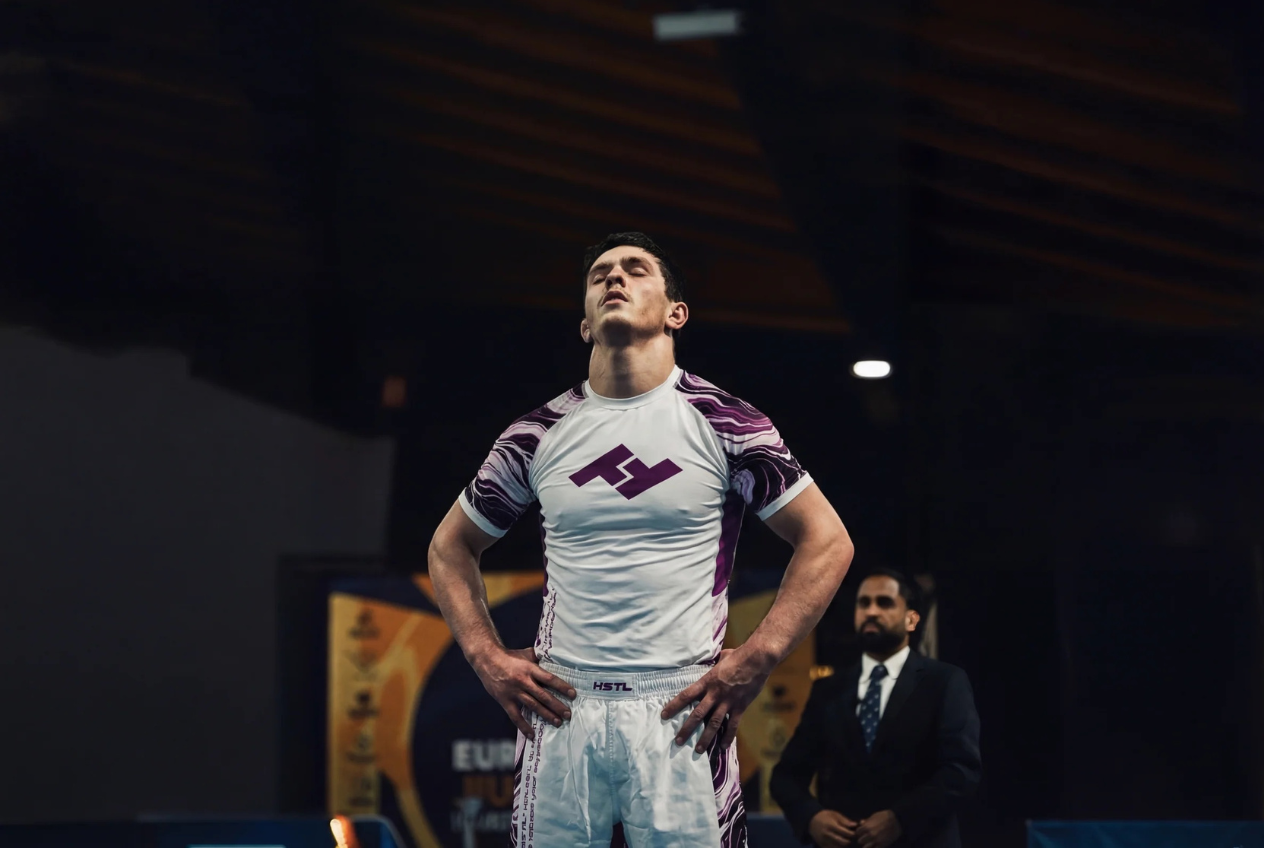
For gi (kimono): a sanctioned BJJ kimono (different from a judo kimono, which is shorter and reinforced), a white belt provided with it, and a rashguard or compression shirt to wear underneath for hygiene and skin protection.
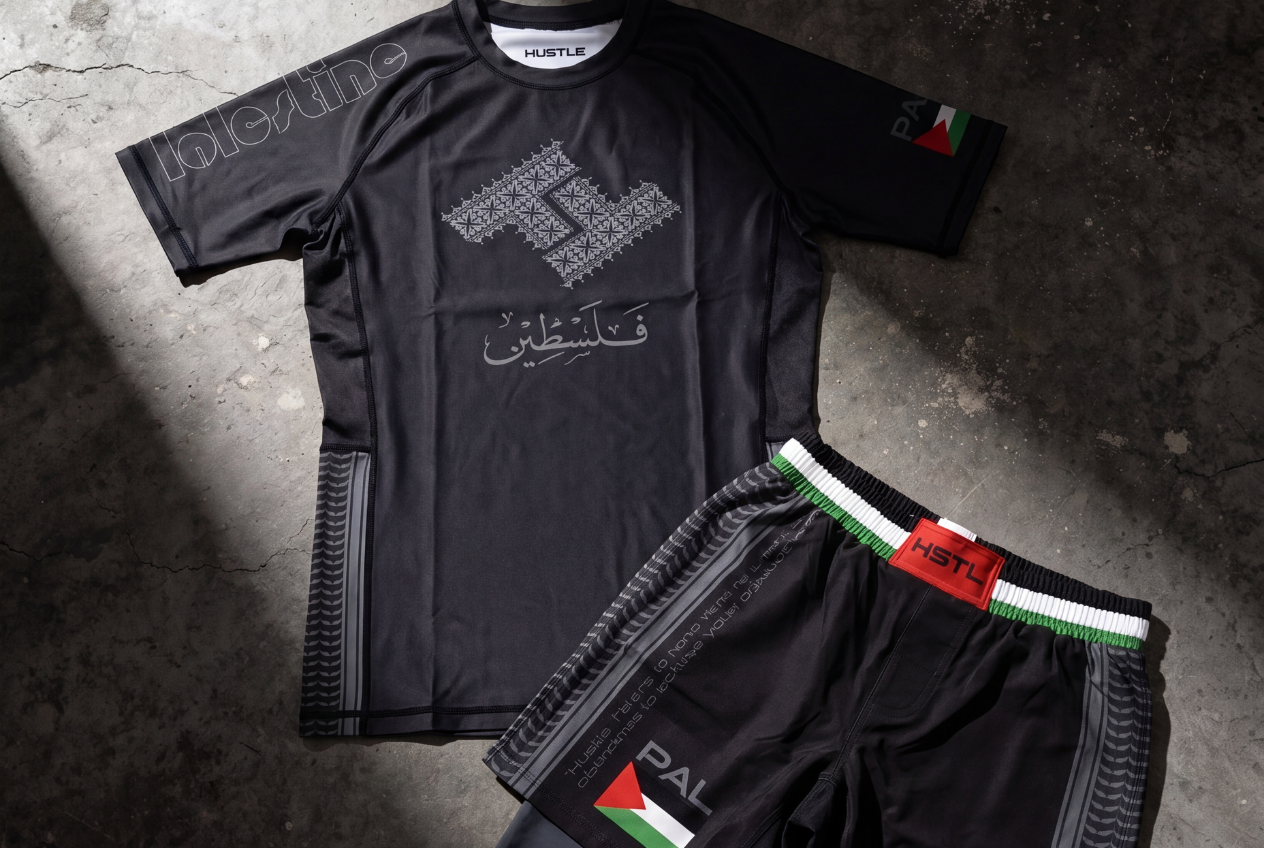
For no-gi (grappling): a quality rashguard, grappling shorts without metal pockets, and possibly compression leggings for leg protection on the ground.
A mouthguard is highly recommended from the first few weeks, and ear protectors become useful if you put in many hours of rolling. For hygiene: short nails, clean feet, immediate shower after training, and washing your gi after each session.
Mat etiquette: the unwritten rules
BJJ has its codes that every beginner must learn from the first week. You always take off your shoes before stepping onto the mat and put on sandals to go to the bathroom. You greet the instructor upon arrival, and shake hands with your partners before and after each drill or roll.
If you're lost during a drill, ask a more experienced partner rather than fumbling around on your own. You "tap" as soon as a submission is locked in, without waiting for extreme pain: your body needs to last for years. And you never judge a partner's performance, whether white belt or black belt.
What to expect in the first few weeks
Your first few sessions will be physically and mentally intense. You'll feel clumsy, you'll be submitted by everyone, and you'll have sore muscles you didn't even know existed. This is completely normal. BJJ humbles all beginners, which is what builds strong practitioners.
The number one tip: come regularly, even when you don't feel like it. Progress in BJJ is measured in years, not weeks. Three classes a week for six months will give you a stronger foundation than ten classes a week for one month followed by quitting.
Progression by belts
The adult belt system goes from white to black: white, blue, purple, brown, black. On average, allow two years for blue, and three to four years between each subsequent belt. Stripes (up to four per belt) mark intermediate progress.
The blue belt is often considered the most difficult stage: that's where many people quit. If you earn it, you're already part of a minority of persevering practitioners. Your attire also counts in showing your seriousness: clean and appropriate equipment shows that you respect the sport and your partners.
What's next?
Once you've started, complement your practice by watching competitions (ADCC, Mundials, EBI), targeted strength training (core, low-impact cardio, mobility), and why not a first amateur tournament after six months. Competition accelerates progress like nothing else.
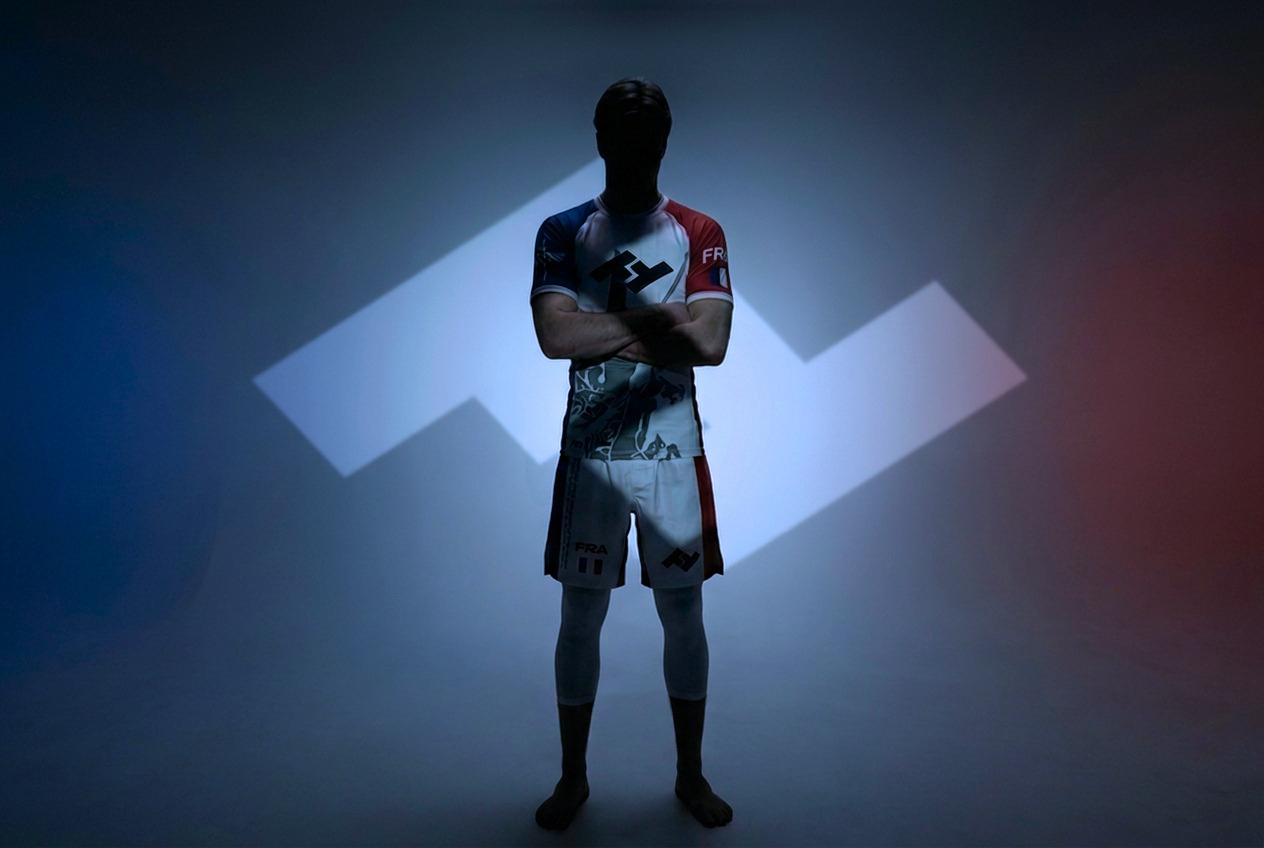
At Hustle Fightwear, we design our rashguards and shorts for French practitioners who train hard and want durable gear. If you're starting BJJ this year, equip yourself seriously from the start: it changes the experience on the mat. Happy first roll.
Read more

Your compression shirt is expensive, but it can last for years if you wash it correctly. Complete guide to preserving elasticity, smell, and fit.

Choosing the right size grappling shorts radically changes your comfort on the mat. Here's how to get it right every time.